
VOC Monitor for Home: What Readings Mean
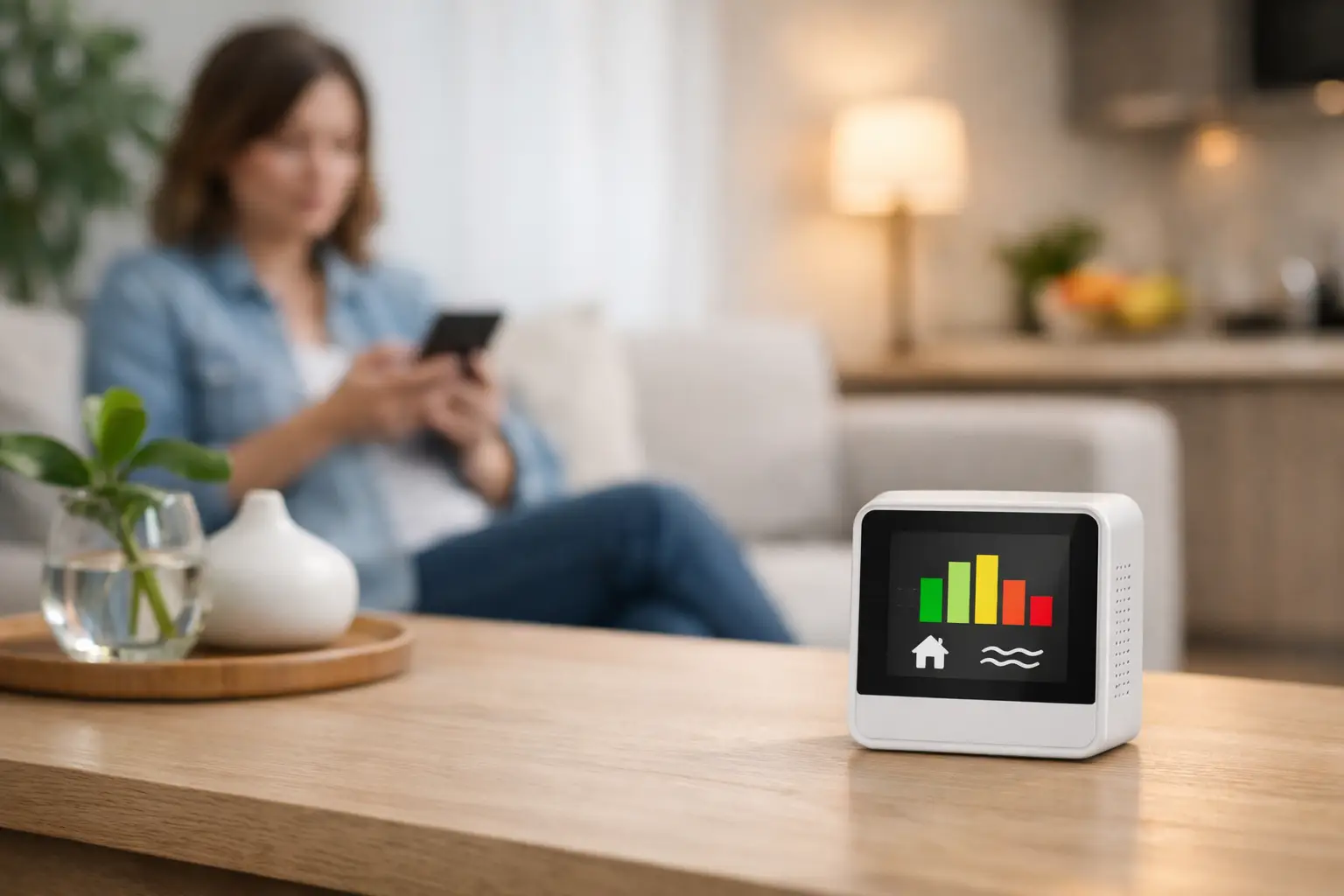
A new sofa, a freshly painted bedroom, a strong cleaner under the kitchen sink - these everyday items can release gases you cannot see or reliably smell. A VOC monitor for home use gives you a practical way to spot changing indoor air conditions, identify likely sources, and decide when ventilation or air cleaning may help.
VOC monitoring is especially useful for families managing asthma, allergies, chemical sensitivities, headaches, or lingering odors. It is also valuable after remodeling, moving into a new home, buying furniture, or bringing a new baby home. The goal is not to chase a perfect number every minute of the day. It is to understand what is affecting your air and take sensible action.
What a VOC Monitor Measures
VOC stands for volatile organic compounds. These are gases released from many common materials and activities. Paints, stains, adhesives, flooring, pressed-wood furniture, air fresheners, candles, personal-care products, cleaning sprays, dry-cleaned clothing, fuel vapors, and cooking can all contribute to indoor VOC levels.
Most consumer monitors do not identify every individual chemical. Instead, they estimate total volatile organic compounds, often shown as TVOC. The sensor detects a mix of airborne gases and reports a concentration, usually in parts per billion, parts per million, or milligrams per cubic meter.
That distinction matters. A TVOC reading is a useful alert, but it is not a medical diagnosis or a laboratory chemical analysis. Two homes can show the same total reading while having very different mixtures of compounds. One may have a temporary rise from sautéing dinner, while another may have ongoing emissions from new cabinetry or stored solvents.
Some indoor air quality monitors also track particulate matter, carbon dioxide, temperature, and humidity. These additional measurements can make the monitor more useful because indoor air problems often overlap. For example, poor ventilation can raise both carbon dioxide and VOC levels, while high humidity can worsen mold concerns even though a VOC sensor does not measure mold directly.
When a VOC Monitor for Home Is Worth Buying
A monitor is a strong fit when there is a question you want answered. If a room smells chemical after a renovation, you can watch whether levels fall after opening windows or running ventilation. If someone feels worse in a particular bedroom or office, measurements can help you compare that space with other areas of the home.
It can also be helpful if you are trying to reduce exposure without guessing. Rather than replacing every cleaning product at once, you can observe what happens when you use a specific spray, light a scented candle, cook with high heat, or bring home a new item. Patterns often become clear within days.
A VOC monitor may be less useful if you expect it to identify a specific dangerous chemical or serve as a replacement for required safety devices. It does not replace carbon monoxide alarms, smoke alarms, radon testing, or professional inspection after a serious contamination event. Each hazard needs the correct detector and response plan.
How to Read VOC Results Without Overreacting
Start by reading the manufacturer’s guidance for the monitor you own. Sensor ranges, units, color indicators, and recommended thresholds vary. A number that appears concerning on one device may be displayed differently on another.
More useful than a single reading is the trend. Check the monitor at similar times each day, and observe how it responds to normal activities. A temporary spike during cooking, cleaning, or a fresh paint project can be expected. A reading that stays elevated for hours or repeatedly rises in one room deserves closer attention.
Give a new monitor time to settle. Many sensors need a break-in period and may require calibration or exposure to fresh outdoor air, depending on the model. Keep the device away from direct sunlight, heating vents, humidifiers, and open windows unless you are specifically testing the effect of those conditions. Those locations can distort the reading or make it less representative of the room.
Also consider the room size and air movement. A monitor in a small closed bedroom will react differently than one in a large open living area. Place it at breathing height when practical, away from the immediate path of a cooking stove, diffuser, or cleaning product. You want a picture of the air people are actually breathing, not a reading from the strongest point of exposure.
Find the Source Before You Treat the Number
When TVOC levels rise, the best first step is to look for what changed. Think about the previous few hours. Did anyone cook, shower with heavily fragranced products, use a cleaner, open a garage door, start a hobby project, or install new flooring? Did a delivery bring a mattress, rug, furniture, or boxed product into the room?
If the increase is tied to an obvious activity, remove or reduce the source where possible. Choose low-odor or low-VOC products, keep solvents and fuels outside the living area, and avoid storing paint, pesticides, or gasoline containers in an attached garage if fumes can enter the home. For new furnishings or renovation materials, allow time for off-gassing and increase fresh-air exchange when weather and outdoor air quality permit.
Ventilation is often the fastest response. Open windows on opposite sides of the home for cross-ventilation, run an exhaust fan that vents outdoors, or use the kitchen range hood while cooking. If outdoor smoke, pollen, or traffic pollution makes opening windows a poor option, mechanical ventilation and the right air-cleaning equipment become more relevant.
Air purifiers can support a VOC reduction plan, but the technology matters. Standard HEPA filtration is highly effective for airborne particles such as dust, pollen, and many smoke particles. VOCs are gases, so they generally require substantial activated carbon or another gas-phase media designed to adsorb chemical vapors. A small carbon sheet may help with light odors, but it can saturate quickly when emissions are strong or ongoing.
For homes with persistent chemical odors or sensitivities, look for an air cleaner designed for gas and odor control, and pay attention to replacement filter availability. Once carbon media is saturated, it no longer provides the same level of odor and VOC reduction. Replacing filters on schedule is part of maintaining the solution.
A Simple Testing Routine for Better Decisions
Use your monitor to compare conditions, not just collect data. Begin with a baseline: place it in the main living area during a quiet period when windows are in their usual position and no strong products are being used. Record the reading and the time of day for several days.
Next, test one variable at a time. If cooking seems connected to a spike, run the range hood before heating the pan and leave it on afterward. Compare that result with a similar meal without the fan. If a bedroom is consistently higher, try removing fragranced products, airing out new textiles, or changing how the door and HVAC register are positioned.
Keep notes on activities, weather, windows, and symptoms if relevant. You do not need a complicated spreadsheet. A short log on your phone can reveal that readings climb after laundry day, during a particular cleaning routine, or when the house is closed up overnight.
Avoid using a VOC monitor as proof that every symptom is caused by indoor air. Headaches, breathing issues, dizziness, and irritation can have many causes. If symptoms are severe, sudden, or affect more than one person, leave the area if needed and seek appropriate medical or emergency guidance. If you suspect a gas leak, combustion problem, mold damage, or hazardous chemical exposure, contact qualified professionals rather than relying on a consumer monitor.
Choosing the Right Indoor Air Monitor
Choose based on the decisions you need to make. A simple TVOC monitor may be enough for checking changes after cleaning, painting, or bringing in new furniture. A broader indoor air quality monitor can be a better choice if you also want to track particles, carbon dioxide, humidity, and temperature in bedrooms, nurseries, or workspaces.
Look for a clear display, understandable units, a history graph or data log, and sensor guidance that explains setup and calibration. Alerts can be useful, but a device should not create unnecessary alarm every time you make dinner. The best monitor is one that helps you recognize normal patterns and see when a response is justified.
For ongoing concerns, pair monitoring with a source-control plan and properly matched air cleaning. A.M.I. Services focuses on practical indoor environmental products because cleaner air usually comes from several small, dependable decisions rather than one gadget alone.
A VOC reading is most valuable when it leads to a calmer, more informed next step: open the window, use the exhaust fan, remove the source, or choose air treatment built for gases. Over time, your monitor can help you build a home that feels fresher, more comfortable, and easier to trust.
Recent Posts
-
Home Air Purification Guide for Cleaner Rooms
August 6, 2026 A good home air purification guide starts with one practical question: what are you …3rd Nov 2026 -
Choosing a Commercial HEPA Air Purifier
August 4, 2026 A busy office can look clean while its air carries dust, pollen, respiratory …3rd Nov 2026 -
VOC Monitor for Home: What Readings Mean
August 2, 2026 A new sofa, a freshly painted bedroom, a strong cleaner under the kitchen sink - th …3rd Nov 2026