
Do Descalers Work for Pipes? What to Expect
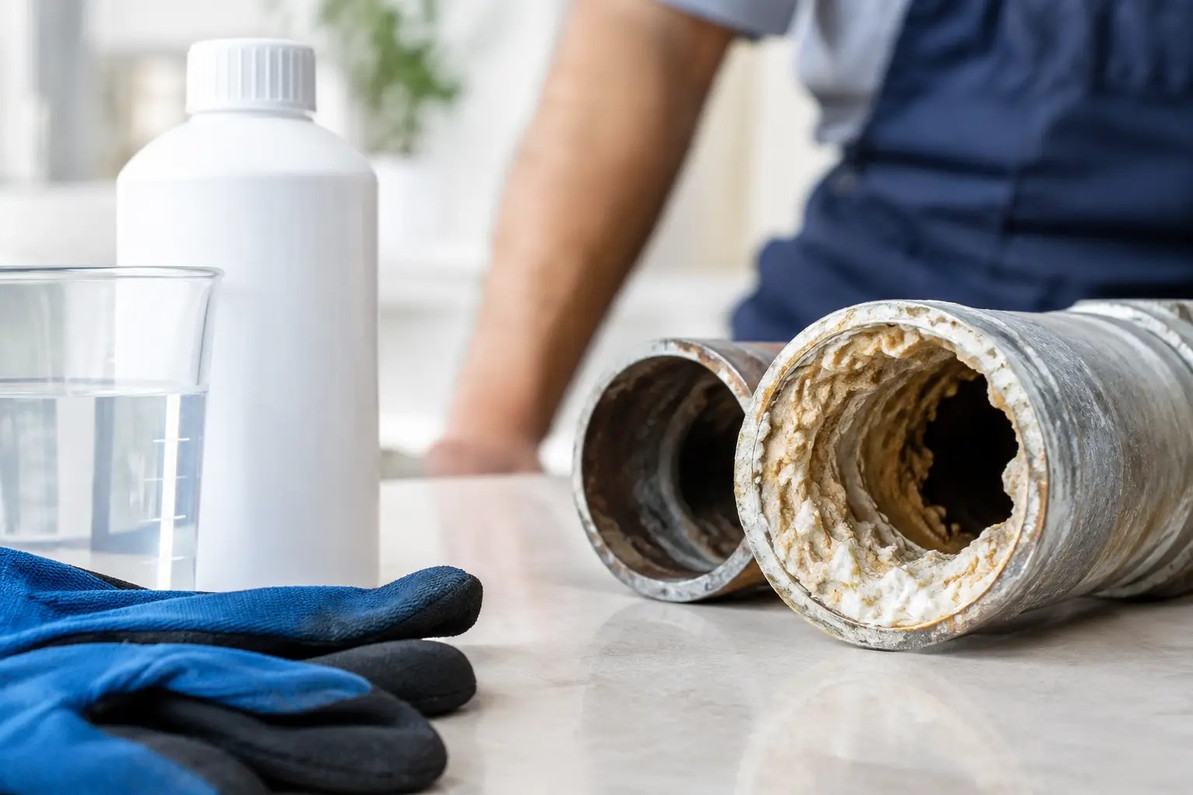
A white crust around faucet aerators, cloudy glassware, weak shower pressure, and a water heater that seems to work harder can all point to hard-water scale. So, do descalers work for pipes? They can, but only when expectations match the technology. A descaler can help reduce new scale buildup inside plumbing, fixtures, and water-using appliances. It is not the same as a salt-based water softener, and it should not be treated as a guaranteed repair for pipes already narrowed by years of mineral deposits.
For many homeowners, an electronic water descaler is a practical way to protect plumbing without adding salt to the water or creating wastewater. The right choice depends on your water hardness, the condition of your plumbing, and whether your main goal is prevention, improved maintenance, or true water softening.
What a Pipe Descaler Actually Does
Hard water contains dissolved minerals, primarily calcium and magnesium. When hard water is heated, sits on a surface, or evaporates, those minerals can form limescale. Over time, scale can collect on heating elements, inside water heaters, around valves, in showerheads, and along portions of a plumbing system.
An electronic descaler, also called an electronic water conditioner, wraps coils around the incoming water pipe. It uses an electronic signal intended to alter how dissolved minerals behave in the water. The minerals remain present, but the treatment can make them less likely to bond tightly to pipe walls and other surfaces.
That distinction matters when comparing treatment options. A descaler does not remove calcium and magnesium from the water. A traditional ion-exchange water softener does remove hardness minerals and replaces them with sodium or potassium. If you want the slippery feel associated with softened water, reduced soap use, or a lower hardness reading on a test strip, a true softener is the more direct solution.
A descaler is designed for a different job: helping manage scale without salt, regeneration cycles, brine discharge, or ongoing bags of softener salt.
Do Descalers Work for Pipes With Existing Scale?
They may help limit additional scale and, in some situations, make old deposits easier to clean or gradually loosen. But they are not an instant pipe-cleaning method. Heavy mineral buildup inside old galvanized plumbing, a blocked faucet cartridge, or a severely restricted water heater line may need professional service, flushing, or replacement.
This is the most useful way to set expectations: a descaler is usually a preventive treatment, not a cure for major plumbing damage. If a showerhead is already clogged, remove and clean or replace it. If water pressure has suddenly dropped throughout the home, investigate for leaks, corroded pipe, failing pressure regulators, or a plumbing obstruction before assuming scale is the only cause.
Electronic descalers can be especially appealing in homes where the plumbing is still functional but hard water is leaving recurring deposits on fixtures and appliances. Starting treatment before mineral buildup becomes severe gives the system more opportunity to protect water-using equipment.
Descaler vs. Water Softener: Which Problem Are You Solving?
The right system comes down to what you want your water treatment to accomplish. A descaler and a softener can both address the frustration of hard water, but they do it differently.
Choose an electronic descaler when your priority is reducing scale formation in pipes, water heaters, dishwashers, coffee makers, and other equipment. It is also a strong fit for households that want a low-maintenance, salt-free option or cannot easily install a drain-dependent softener.
Choose a conventional water softener when you need hardness minerals physically removed from the water. This is often the better choice for very hard water when you want softer-feeling laundry and skin, more soap lather, and a measurable reduction in water hardness.
Neither approach is automatically better. A family on moderately hard municipal water may be very satisfied with a descaler that helps reduce mineral deposits. A household on extremely hard well water may decide that the broader effects of a softener justify the salt, space, maintenance, and installation requirements.
Where Electronic Descalers Can Make the Most Difference
The most noticeable benefits are often tied to appliances and fixtures exposed to heated water. Water heaters are a key example because heat encourages minerals to come out of solution and form deposits. Scale on heating surfaces can reduce efficiency and contribute to extra wear over time.
Dishwashers, tankless water heaters, washing machines, ice makers, coffee machines, humidifiers, and shower fixtures can also benefit from a reduced scale burden. Results are not always dramatic overnight. Homeowners may first notice that new deposits are less stubborn, faucet aerators need less frequent cleaning, or appliances require less descaling maintenance.
A descaler will not remove every visible water spot. Since minerals are still in the water, surfaces can still dry with residue. Regular cleaning remains part of living with hard water. The goal is to make scale less aggressive and less likely to accumulate where it causes costly problems.
Choosing a Descaler for Your Home
When shopping, start with your plumbing setup rather than choosing based on price alone. The unit must be appropriate for the size and material of the incoming water pipe. It also needs to be installed where all or most household water passes through it, typically near the main water line after the meter or pressure tank.
Scalewatcher electronic descalers offer a range of residential options, including the Nano, 3 Star, 4 Star, and 5 Star models. These are residential units, so selection should be based on the home’s plumbing layout, incoming pipe size, and water demand. A larger home with multiple bathrooms and higher water use may need a different model than a small apartment, condo, or single-bath home.
Before buying, identify the pipe material and diameter, locate a nearby power outlet, and consider how accessible the installation area is. Electronic descalers are commonly installed without cutting into the pipe, which can make them attractive for homeowners who want to avoid a major plumbing modification. However, a clean, accessible section of incoming pipe is still essential for proper coil placement.
If you are buying for a business, do not assume a residential model will cover a commercial plumbing system. Scalewatcher Commercial is a separate product line designed for commercial applications. Commercial buyers should evaluate the system based on building water demand, pipe configuration, and the equipment they are trying to protect.
Check Your Water Before You Decide
A basic water hardness test is one of the smartest first steps. It gives you a clearer sense of whether hard water is likely driving your scale problems and helps prevent buying a system based only on symptoms. Water can leave spots for reasons beyond hardness, and old plumbing problems can resemble mineral buildup.
Look at the complete picture: how often you clean scale from fixtures, whether appliances need frequent descaling, the age of your water heater, and whether your home uses municipal water or a private well. Well water may have additional concerns, such as iron, manganese, sediment, or unusual pH, that an electronic descaler is not designed to remove.
If your water has staining, odor, sediment, or other contaminants, consider treatment targeted to those specific conditions. A descaler is for scale management, not a substitute for filtration, disinfection, or water testing when water quality concerns go beyond hardness.
Installation and Maintenance Expectations
One advantage of electronic descalers is their low-maintenance design. There is no salt reservoir to refill and no regeneration cycle. Once the coils are installed correctly around the pipe and the unit is powered, routine attention is generally limited to occasionally checking that the device and cable remain secure.
Still, installation details matter. Follow the manufacturer’s instructions for coil spacing, number of wraps, pipe location, and power connection. Do not place the system on a branch line if you expect it to protect the entire home. For complex plumbing, limited access, or uncertainty about the main water line, a qualified plumber can help confirm the best placement.
Give the system time. Existing deposits did not form in a week, and changes in scale behavior may take weeks or months to become noticeable. Continue normal maintenance, especially for water heaters and appliances with manufacturer-recommended descaling schedules.
Hard water does not have to dictate how often you replace fixtures or service appliances. Start with a hardness test, be realistic about the condition of your plumbing, and choose a descaler when preventing future scale is the outcome that matters most.
Recent Posts
-
Do Descalers Work for Pipes? What to Expect
A white crust around faucet aerators, cloudy glassware, weak shower pressure, and a water heater th …8th Nov 2026 -
Airocide APS-200 Setup for Cleaner Indoor Air
November 6, 2026 A new air purifier can be plugged in within minutes, but the difference between s …6th Nov 2026 -
How to Install Scalewatcher Nano at Home
November 4, 2026 Hard-water buildup does not wait for a convenient time. It collects on sho …6th Nov 2026