
Where to Position a HealthMate Jr Purifier
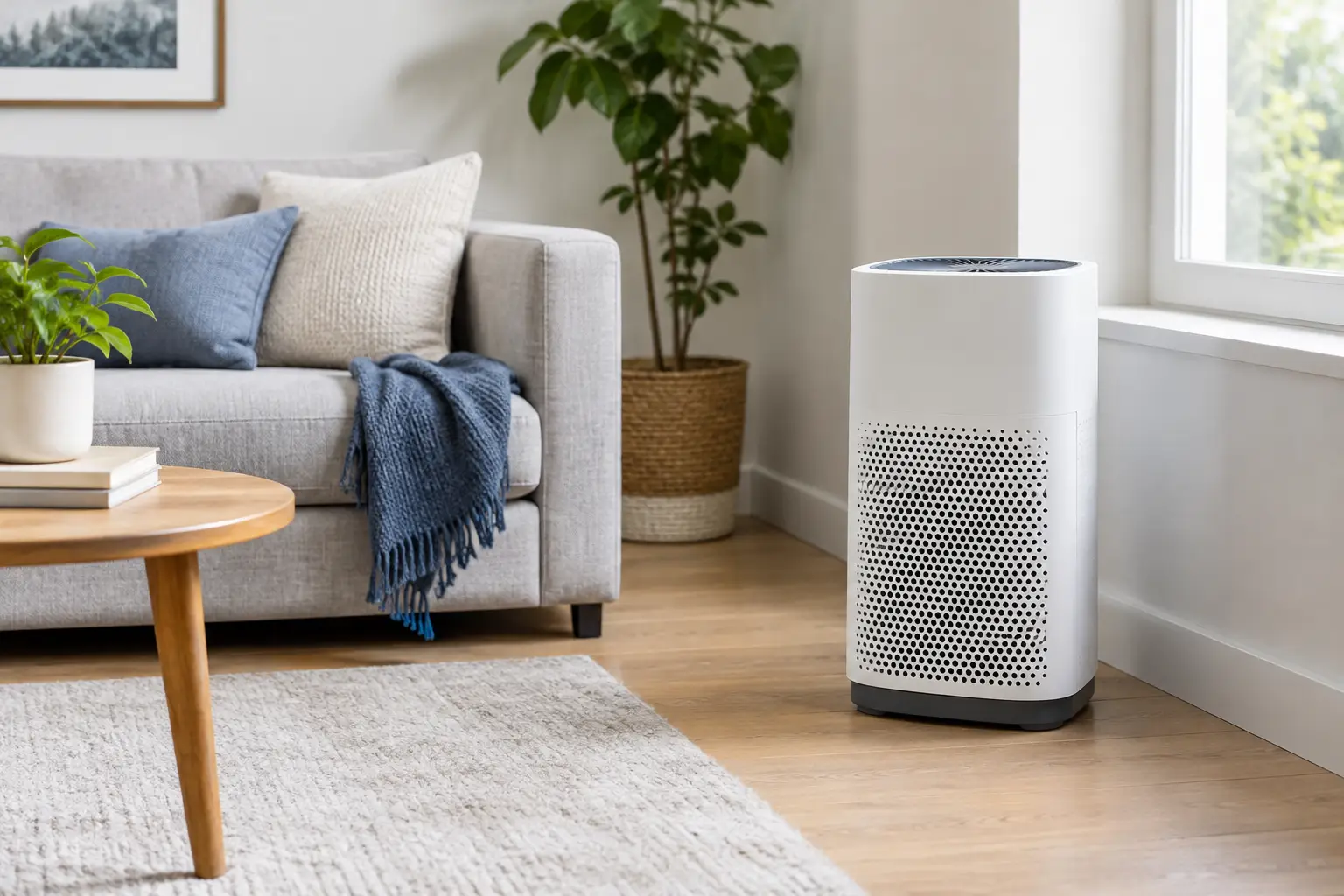
A HealthMate Jr. can be a strong fit when you need serious air cleaning without giving up a large portion of a bedroom, nursery, or home office. But even a high-quality Austin Air unit cannot clean air efficiently if it is tucked under a desk, pressed against a wall, or placed in the wrong room. Knowing where to position a HealthMate Jr. purifier helps it capture more of the dust, allergens, odors, and airborne particles moving through the space you use most.
The goal is not to place the unit as close to you as possible. The goal is to give it access to the room's circulating air while keeping the intake and clean-air outlet clear. A few feet can make a noticeable difference in how well the purifier serves the room.
Start With the Room That Needs Help Most
The Austin Air HealthMate Jr. is designed for smaller spaces, making it a practical choice for bedrooms, nurseries, apartments, offices, and other rooms where air quality concerns are most personal. If allergies disrupt sleep, begin with the bedroom. If you notice lingering cooking smells or outdoor pollution near a work area, the home office or main living space may be the better choice.
It is generally more effective to run the purifier consistently in one priority room than to move it repeatedly from room to room. Air cleaners work on the air that reaches them. A unit placed in a hallway cannot adequately address a closed bedroom at the end of that hallway, especially overnight with the door shut.
Before choosing a location, consider what is driving your concern. Pet dander and dust may be distributed throughout the room, while odor, smoke, and chemical vapors may be strongest near a particular source. The HealthMate Jr.'s mechanical filtration and carbon-based gas and odor filtration can help with a range of airborne concerns, but source control still matters. Ventilate when appropriate, avoid introducing unnecessary fragrances or chemicals, and address moisture or mold conditions directly.
How to Position a HealthMate Jr. Purifier for Airflow
Place the unit on a stable, level floor where it has room to pull in air and release cleaned air without obstruction. An open section of wall often works well, provided the purifier is not crowded by furniture, curtains, baskets, or storage bins.
Give Every Side Breathing Room
The HealthMate Jr. needs clearance around its intake and outlet. Leave several inches of open space around the unit rather than pushing it tightly into a corner. A corner can be convenient, but it restricts the air available to the purifier and can create a pocket of stagnant air behind furniture.
Avoid positioning the purifier directly behind a sofa, under a table, inside a cabinet, or between tightly packed pieces of furniture. These locations may hide the unit, but they also limit the air it can process. A clear path around the purifier is more useful than a visually perfect placement.
Keep It Off Elevated Furniture
The HealthMate Jr. is intended for floor placement. A dresser, nightstand, shelf, or countertop may seem like a way to bring cleaner air closer to your breathing zone, but elevated placement can be unstable and may interfere with the unit's airflow pattern. The purifier draws room air through its filter system, so it does not need to sit at head height to do its job.
Floor placement is also a better choice in homes with children or pets when the unit can be positioned away from foot traffic and secured from accidental bumps. Choose a spot that is accessible enough for filter service without becoming a daily obstacle.
Do Not Aim It at Yourself
Unlike a fan, the HealthMate Jr. does not need to blow directly at your bed, desk chair, or sofa. Place it where it can circulate air through the room instead of creating a draft at one location. If airflow feels distracting while you sleep or work, shift the purifier a few feet rather than reducing operation to the point where it no longer meets your needs.
Best HealthMate Jr. Purifier Placement by Room
Bedroom Placement
For most allergy and sleep-related concerns, place the HealthMate Jr. in the bedroom where it can run through the night. A clear space along a wall, near the foot or side of the bed, is often a good starting point. Keep it out from behind the nightstand and avoid placing it directly beside bedding, curtains, or clothing hampers.
If the bedroom door stays closed at night, keep the purifier inside the room. If you must place it near the door, position it so open room air can reach the unit rather than trapping it between the door swing and a wall. Run it at a setting you can tolerate consistently. A quieter setting may be the realistic choice for light sleepers, while a higher setting can be useful before bed or after bringing in outdoor allergens.
Nursery or Child's Room Placement
In a nursery or child's room, use the same airflow principles while giving extra attention to safety. Keep the unit on the floor, away from the crib, changing table, curtains, and reachable cords. Do not use the purifier as a substitute for managing smoke, cleaning chemical fumes, moisture, or other direct irritants in the room.
A location across the room from the sleep area, with open space around the purifier, usually provides better whole-room circulation than placing it immediately beside the crib. The aim is cleaner room air, not concentrated airflow on a child.
Home Office and Apartment Placement
In a home office, place the HealthMate Jr. near the center of the active work zone or along an open wall. Avoid putting it under the desk, where chair movement, computer cables, and furniture can block its intake. If outdoor odors or traffic pollution enter through a particular window, place the unit in the same room but not directly against the window or wedged behind window coverings.
For a studio apartment or open-plan area, place the purifier closest to where you sleep or spend the most time. A smaller purifier can still make a meaningful difference in a larger open space, but results depend on layout, ceiling height, doors, airflow between rooms, and the severity of the air quality issue. When the priority area is much larger than a typical bedroom, a larger Austin Air model may be the more appropriate purchase.
Placement Mistakes That Limit Performance
The most common mistake is treating the purifier like a piece of decor. Hiding it behind furniture or in a corner may make a room look cleaner while leaving the air cleaner with too little room to work. Another mistake is placing it in a central location to serve several closed rooms. Walls and closed doors dramatically reduce air exchange, so one purifier should be matched to the room where protection is needed.
Avoid placing the unit next to a heat source, in a damp area, or where it can be exposed to splashes. Keep it away from open flames and do not use it in a location where cords create a trip hazard. If you are using it to help with smoke or strong odor events, position it in the affected room with clear airflow, then remove or reduce the source whenever possible.
Do not block the purifier with laundry, bags, holiday decorations, or pet beds. These temporary changes often happen gradually, and they can quietly reduce performance for weeks.
Match the Unit to the Problem and the Space
The HealthMate Jr. is especially appealing for buyers who want the trusted Austin Air filter approach in a compact room-focused format. It can be a smart choice for a bedroom, nursery, office, or smaller apartment zone, particularly when concerns include airborne particles, household odors, and everyday chemical vapors.
However, bigger is not always unnecessary. If you need to treat a large family room, an open first floor, or a space with heavy smoke, strong odors, or multiple pets, consider whether the room size and pollutant load call for a larger unit. Selecting an air purifier that is undersized for the room can lead to disappointment even when placement is correct.
A.M.I. Services helps shoppers evaluate models around the room they need to protect, not just the square footage printed on a product page. That practical approach matters when allergies, asthma, odors, or chemical sensitivities are affecting daily life.
Keep the Location Working Over Time
Once you find the right spot, keep the area around the purifier clear and check the unit during normal household changes. Rearranging furniture, adding a rug, closing off a room, or moving your bed can all change airflow. Keep the purifier plugged into a reliable outlet and follow the recommended replacement schedule for the HealthMate Jr. filter so the unit can continue capturing the contaminants it was chosen to address.
The best place for your HealthMate Jr. is usually the open, stable floor location in the room where you spend the most time breathing. Give it space, run it consistently, and let the cleaner work where it can make the most practical difference.
Recent Posts
-
Airocide APS-200 Setup for Cleaner Indoor Air
November 6, 2026 A new air purifier can be plugged in within minutes, but the difference between s …6th Nov 2026 -
How to Install Scalewatcher Nano at Home
November 4, 2026 Hard-water buildup does not wait for a convenient time. It collects on sho …6th Nov 2026 -
Does Hard Water Damage Appliances? What to Know
October 31, 2026 A water heater that suddenly takes longer to recover, a dishwasher leaving cloudy …6th Nov 2026