
How to Install Scalewatcher Nano at Home
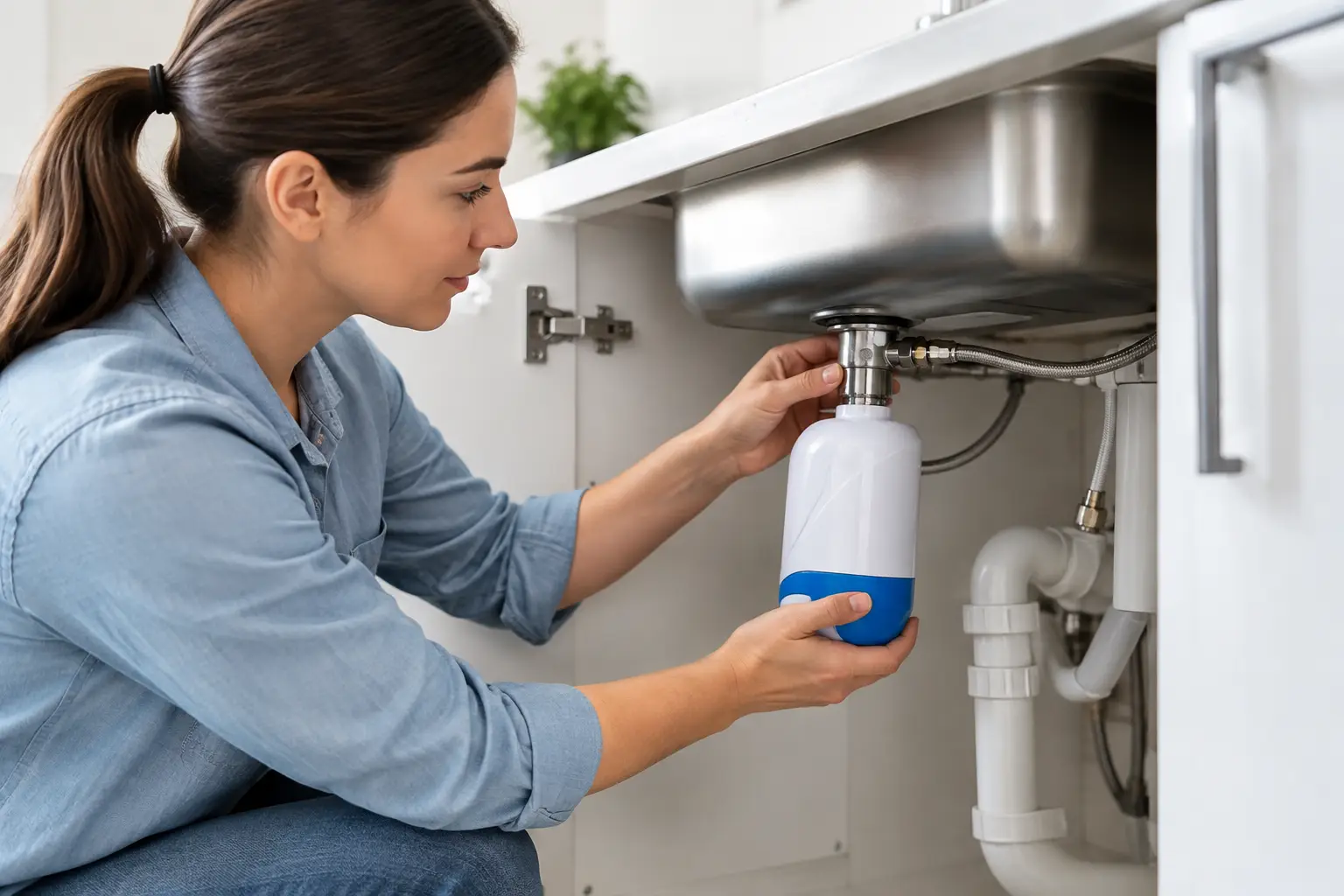
Hard-water buildup does not wait for a convenient time. It collects on shower doors, dulls fixtures, and can leave water-using appliances working harder than they should. When you install Scalewatcher Nano correctly, you add non-chemical scale control at the point where water enters your home - without cutting pipe, hiring a plumber for a standard installation, or adding salt to your water.
The Scalewatcher Nano is a residential unit designed for homes with hard-water concerns. It works by sending an electronic signal through coils wrapped around the incoming water pipe. Proper placement and careful coil installation matter because the unit needs to treat the water before it branches out to the rest of the house.
Before You Install Scalewatcher Nano
Start by finding your home’s main incoming water line. In many homes, this pipe is near the water meter, pressure tank, crawlspace entry point, utility room, basement, or garage. The best location is generally a dry, accessible section of pipe close to where water enters the home and before the plumbing divides into separate supply lines.
Choose a section of pipe that gives you room to wrap the supplied signal cable neatly. Avoid a crowded area where valves, connectors, pipe supports, electrical panels, or other equipment would prevent the coils from sitting securely against the pipe. You will also need a nearby power outlet for the Nano’s control unit.
Before beginning, read the instructions included with your specific Scalewatcher Nano. The supplied cable length, winding pattern, spacing, and mounting details are part of the product’s intended setup. Do not assume another electronic water-treatment product uses the same installation method.
You should also inspect the pipe itself. Wipe away dirt, moisture, loose insulation, and grime from the area where the coils will sit. A clean, dry pipe makes it easier to secure the cable and helps prevent the installation from shifting over time.
What You Need for a Clean Installation
A Scalewatcher Nano installation typically requires only basic household tools. Keep a clean cloth nearby for the pipe, along with a measuring tape if you need to confirm the available straight pipe length. Cable ties may be useful for tidying excess cable where permitted by the product instructions.
Unlike a conventional water softener, this installation does not normally require you to shut off the water, drain plumbing, cut into the supply line, or install a bypass valve. That is a major advantage for homeowners who want help managing scale without changing the mineral content of their water.
Still, access can be the deciding factor. If your incoming line is concealed behind finished walls, located in a wet pit, or positioned near unsafe electrical conditions, it may be worth asking a qualified installer to help mount the unit properly. The Nano is a residential model, so it should be selected and installed for a home water line, not for a commercial plumbing application.
How to Install Scalewatcher Nano Step by Step
1. Confirm the water flow path
Identify the pipe carrying water into the house, then make sure your chosen location is upstream of as many household fixtures and appliances as possible. Installing after several branches have already split off can leave part of the home outside the treatment area.
If your home has a well system, identify where water enters the home plumbing after the pressure tank and related equipment. Every plumbing layout is different, so the goal is not simply to find a convenient pipe. It is to treat the water before it serves the house.
2. Mount the control unit
Position the Scalewatcher Nano control unit on a nearby wall or stable vertical surface according to the supplied mounting guidance. Keep it in a dry location where its indicator lights can be seen easily. Avoid mounting it where it may be exposed to dripping water, heavy condensation, direct outdoor weather, or accidental impact.
Do not plug the unit in yet if the manufacturer’s instructions direct you to complete the cable winding first. Mounting the unit before wrapping the pipe helps you judge cable routing and prevents unnecessary tension on the leads.
3. Prepare the pipe surface
Use a dry cloth to clean the selected section of the main water line. Remove loose dust and moisture, especially if the pipe is in a basement, utility room, or garage where condensation can occur.
If pipe insulation covers the selected area, remove only the amount needed for the coils to contact the pipe as directed. Do not force the cable over sharp edges, damaged pipe insulation, or corroded fittings. Choose a cleaner section if the available area is poor.
4. Wrap the signal cables as directed
The Nano uses signal cables that are wrapped around the water pipe. Follow the included instructions precisely for the number of turns, cable direction, coil spacing, and the connection of each lead to the control unit.
Keep each wrap snug and orderly. The coils should remain in their intended position rather than sliding along the pipe. Avoid crossing, pinching, stretching, or sharply bending the cable. A rushed coil wrap is one of the easiest installation mistakes to avoid, and taking a few extra minutes here supports consistent operation.
The exact layout may depend on the pipe diameter and the configuration supplied with the unit. That is why the product manual takes priority over generic online diagrams or advice meant for a different Scalewatcher model.
5. Secure and route the cable neatly
Once the coils are complete, secure the cable only as instructed so it cannot loosen during normal activity around the pipe. Route the remaining cable back to the control unit without placing it near hot surfaces, moving mechanical parts, or areas where it could be snagged.
Keep the installation tidy, but do not bundle or alter the cable arrangement in a way that conflicts with the manufacturer’s directions. The goal is a protected, accessible setup that remains easy to inspect later.
6. Connect power and check operation
Connect the signal cables to the Nano control unit as labeled, then plug the unit into an appropriate grounded outlet. Check the unit’s indicators against the operating instructions to confirm it has power and is functioning normally.
Because the system works externally around the pipe, the water should still flow normally after installation. You do not need to wait for a regeneration cycle or add salt. If an indicator does not show the expected status, unplug the unit and review the cable connections and installation instructions before continuing.
What to Expect After Installation
Scalewatcher Nano is not a water softener. It does not remove hardness minerals from the water or produce the slick feel often associated with salt-based softening. Instead, it is intended to help manage how scale forms in your plumbing and on water-using equipment.
That difference matters when setting expectations. Existing scale on an old showerhead, faucet aerator, water heater component, or glass door will not disappear overnight. Results develop over time as treated water moves through the plumbing. Homes with heavier mineral content and long-standing buildup may need more patience than homes with a newer plumbing system.
It also helps to clean visible deposits before evaluating the change. Start with a clean shower door, faucet, or appliance surface, then watch how easily new residue wipes away over the following weeks. This gives you a more useful comparison than judging against years of accumulated hard-water deposits.
Common Scalewatcher Nano Installation Mistakes
The most common issue is choosing the wrong pipe. Installing on a branch line can mean only one bathroom, appliance, or section of the home receives treated water. Another common problem is wrapping the coils around fittings or valves instead of a clear section of pipe.
Poor cable positioning can also reduce the quality of the installation. Coils that are loose, uneven, damaged, or installed differently from the supplied directions should be corrected. Finally, do not place the control unit where moisture or accidental contact is likely. An accessible, dry utility area is usually the practical choice.
If you are unsure whether you have identified the main line, pause before mounting anything. A quick review of your plumbing layout can save you from reinstalling the Nano later.
Keep the System Easy to Check
Once installed, the Scalewatcher Nano needs far less routine attention than equipment that uses salt, tanks, or replacement media. Periodically look at the control unit’s operating indicators and inspect the cable wraps to make sure they remain secure and undamaged.
For households that want to address hard-water scale without plumbing modifications or added chemicals, the Nano offers a practical starting point. A careful installation on the correct incoming water line gives the unit the best opportunity to support cleaner fixtures and better protection for the plumbing and appliances you rely on every day.
Recent Posts
-
Airocide APS-200 Setup for Cleaner Indoor Air
November 6, 2026 A new air purifier can be plugged in within minutes, but the difference between s …6th Nov 2026 -
How to Install Scalewatcher Nano at Home
November 4, 2026 Hard-water buildup does not wait for a convenient time. It collects on sho …6th Nov 2026 -
Does Hard Water Damage Appliances? What to Know
October 31, 2026 A water heater that suddenly takes longer to recover, a dishwasher leaving cloudy …6th Nov 2026