
Does Hard Water Damage Appliances? What to Know
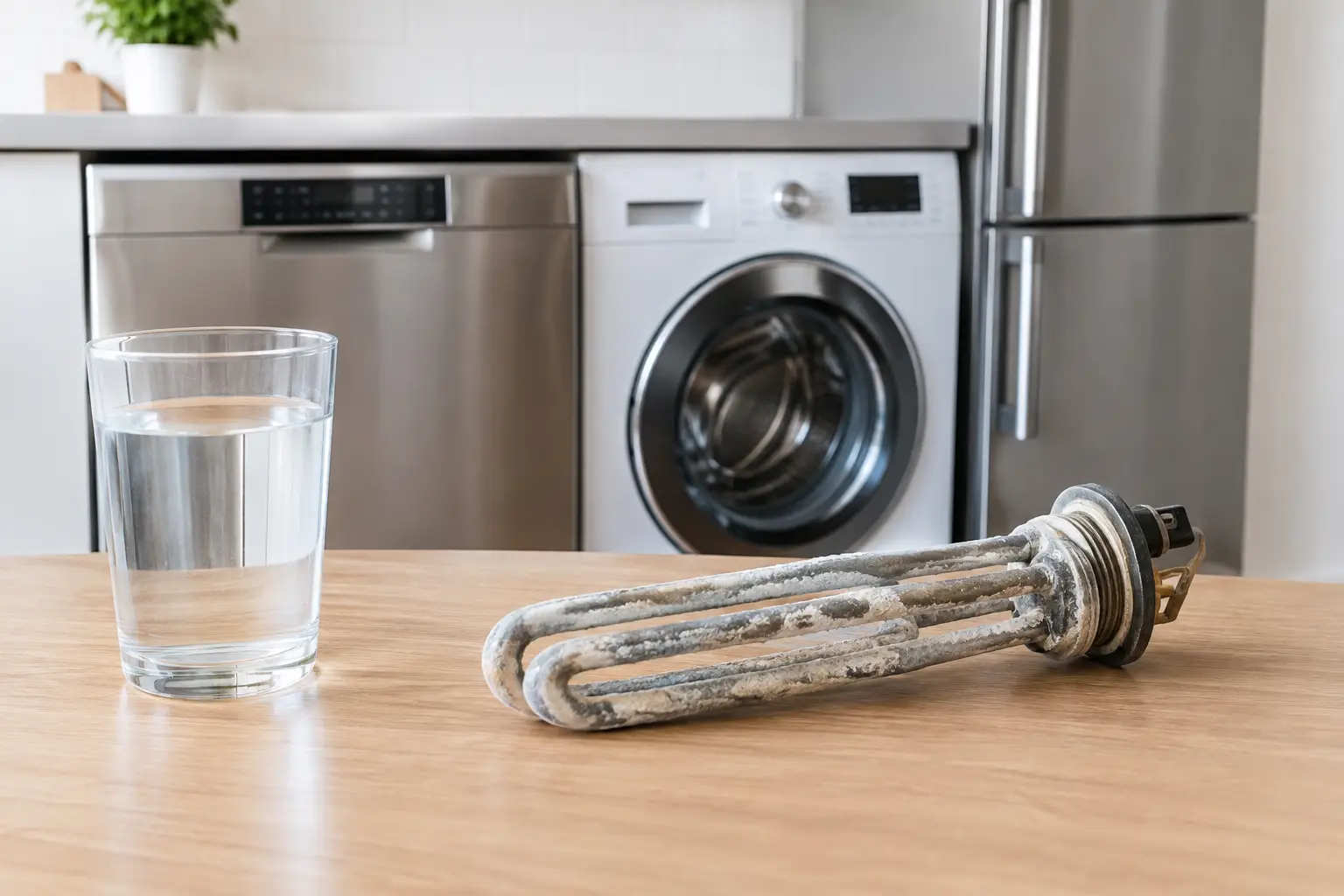
A water heater that suddenly takes longer to recover, a dishwasher leaving cloudy spots, and a washing machine that seems less effective can share one hidden cause: mineral buildup. So, does hard water damage appliances? Yes, it can. Hard water minerals can collect inside equipment over time, reducing efficiency, shortening component life, and creating maintenance problems that often go unnoticed until performance slips.
For homeowners, the issue is not usually one dramatic appliance failure. It is the steady effect of calcium and magnesium deposits on heating elements, water pathways, valves, and surfaces. The right water treatment approach can help protect the appliances you depend on every day while reducing the cleaning burden throughout the home.
How Hard Water Damages Appliances Over Time
Hard water contains dissolved minerals, primarily calcium and magnesium. These minerals are harmless to drink for most people, but they become troublesome when water is heated, evaporates, or repeatedly flows through a confined system. The minerals separate from the water and form scale, a hard, chalky deposit that can range from white and crusty to brownish or gray.
Inside appliances, scale does not need to be thick to cause problems. A thin layer on a heating element makes the element work harder to transfer heat into water. That means longer run times and higher energy use. As scale continues to build, it can restrict water flow and add strain to internal parts.
The consequences depend on how hard your water is, how much water your household uses, the age of the plumbing, and whether an appliance heats water. Homes supplied by well water may have especially variable mineral levels, although municipal water can also be hard enough to cause meaningful scale buildup.
Water Heaters Are Often the First Concern
Water heaters face the most direct exposure because they heat large volumes of water. Scale can settle at the bottom of a tank-style water heater or adhere to heating elements in electric models. This insulating mineral layer forces the unit to use more energy to achieve the same temperature.
You may notice popping or rumbling sounds from a tank water heater as sediment builds. These sounds do not always mean the heater is about to fail, but they should not be ignored. Sediment can reduce available hot water, slow recovery time, and make flushing more difficult over time.
Tankless water heaters are not immune. Their compact heat exchangers can be sensitive to mineral deposits, which is why manufacturers commonly recommend periodic descaling in hard-water areas. Protecting the system from ongoing scale is often easier than repeatedly addressing buildup after it affects performance.
Dishwashers and Washing Machines Lose Cleaning Power
A dishwasher relies on clear spray arms, reliable water flow, detergent performance, and heat. Scale can clog small openings in spray arms, collect around seals, and leave a film on interior surfaces. The familiar white spots on glasses are usually an outward sign of minerals left behind after water dries, but the same mineral issue may be developing inside the machine.
Hard water also works against detergent. Minerals can interfere with how detergents clean and rinse, leading households to use more product than they otherwise would. Dishes may look dull, and dishwasher interiors can develop a cloudy residue despite regular cleaning.
Washing machines can experience similar effects. Scale may collect in hoses, around inlet screens, and on internal components. Mineral-heavy water can also make laundry feel stiff, leave fabrics looking less bright, and require extra detergent to achieve satisfactory results. Front-load and high-efficiency machines use less water, which can make proper detergent dosing and water quality especially noticeable.
Coffee Makers, Ice Makers, and Smaller Equipment Add Up
Small appliances are easy to overlook because they are often replaced rather than repaired. Yet hard water can shorten the useful life of coffee makers, espresso machines, humidifiers, ice makers, steam irons, and hot-water dispensers. Any appliance that heats water or creates steam is a likely target for scale.
Regular manufacturer-recommended cleaning helps, but it does not change the mineral content of incoming water. If several small appliances need frequent descaling, that is a practical clue that a whole-home scale-management strategy may be worth considering.
Does Hard Water Damage Appliances or Just Make Them Dirty?
The answer is both. Surface spotting and white residue are frustrating, but the more costly issue is what happens where you cannot see it. Scale can reduce heat transfer, narrow water passages, interfere with sensors and valves, and make internal maintenance more frequent.
Not every appliance problem is caused by hard water. A dishwasher that will not drain, for example, may have a filter, pump, or plumbing issue. A water heater with no hot water could have an electrical, gas, thermostat, or ignition problem. Still, hard water is a common contributing factor when several water-using appliances show declining performance at the same time.
The goal is not to blame every breakdown on mineral content. It is to recognize hard water as a preventable source of wear, inefficiency, and avoidable cleaning work.
Signs Your Home May Need Scale Control
You do not need to wait for an appliance repair bill to investigate. A few patterns can point to a mineral problem:
- White crust around faucets, showerheads, and appliance water connections
- Glassware with spots or a hazy film after the dishwasher runs
- Frequent descaling needs for coffee makers, humidifiers, or ice makers
- Reduced water pressure from mineral-clogged fixtures
- Dry-feeling skin, stiff laundry, or soap that is difficult to rinse away
- A water heater that is noisy, slow to recover, or less efficient than expected
A water hardness test provides a clearer answer than visual signs alone. Testing is particularly useful when comparing treatment options because it helps you understand whether you are dealing with mild hardness, very hard water, or additional water-quality concerns that need separate attention.
Choosing a Water Treatment Approach for Appliance Protection
Traditional salt-based water softeners remove hardness minerals through ion exchange. They can be an effective option for households that want softened water and are comfortable with salt use, regeneration cycles, wastewater discharge, and ongoing maintenance. They may be appropriate in areas with very hard water, but they are not the only approach.
For homeowners focused on reducing scale buildup without adding salt to the water, an electronic scale-control system can be a practical alternative. These systems are designed to address the way hardness minerals form deposits in plumbing and water-using equipment. They do not remove calcium and magnesium from the water in the same way a conventional softener does, so expectations should be clear: the water may still test hard, while scale behavior and buildup can be reduced.
This distinction matters when shopping. If your priority is the slippery feel associated with softened water or a reduction in hardness readings, a salt-based softener may be the better fit. If you want a low-maintenance, salt-free approach to scale management and appliance protection, an electronic system may better match your needs.
Where Scalewatcher Fits
Scalewatcher residential systems are intended for homeowners seeking salt-free electronic water treatment to help manage limescale. The residential lineup includes the Scalewatcher Nano, 3 Star, 4 Star, and 5 Star. Selecting the right unit should be based on the home’s plumbing setup, incoming water conditions, and household water demands rather than simply choosing the least expensive option.
One benefit of an electronic scale-control approach is that it can support a simpler ownership experience. There are no salt bags to carry, no brine tank to maintain, and no softener regeneration cycle. That can be appealing for households with limited space, homeowners who prefer to avoid added sodium, or buyers who want to reduce ongoing treatment chores.
It is also important to match the solution to the application. Residential Scalewatcher models are designed for residential use. A business, multifamily property, or larger facility with commercial water demands should evaluate the separate Scalewatcher Commercial line rather than applying a residential model to a commercial use case.
Protect Appliances With Treatment and Basic Maintenance
Water treatment works best alongside routine appliance care. Follow the manufacturer’s recommendations for flushing water heaters, cleaning dishwasher filters, and descaling appliances where required. Inspect faucet aerators and showerheads when water flow drops, since they can reveal the type of buildup occurring throughout the system.
If your water heater, dishwasher, and coffee maker are all showing scale-related symptoms, treating only one appliance is unlikely to solve the underlying issue. Addressing the incoming water before it moves through the house can help protect multiple fixtures and appliances at once.
A hard-water solution is an investment in more than spotless glassware. It is a way to reduce the mineral stress placed on the equipment that heats, washes, rinses, and delivers water throughout your home. Start with a hardness test, consider the maintenance trade-offs, and choose a treatment method that fits how your household actually uses water.
Recent Posts
-
Airocide APS-200 Setup for Cleaner Indoor Air
November 6, 2026 A new air purifier can be plugged in within minutes, but the difference between s …6th Nov 2026 -
How to Install Scalewatcher Nano at Home
November 4, 2026 Hard-water buildup does not wait for a convenient time. It collects on sho …6th Nov 2026 -
Does Hard Water Damage Appliances? What to Know
October 31, 2026 A water heater that suddenly takes longer to recover, a dishwasher leaving cloudy …6th Nov 2026