

Best Airocide Commercial Uses for Cleaner Spaces
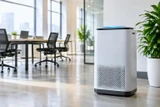
A lobby can look spotless and still have an air problem. A persistent food odor near a break room, chemical smell after cleaning, or stale air in a windowless office can shape how employees and visitors feel about the space. The best Airocide commercial uses are the ones where airborne odors and gaseous contaminants affect comfort, confidence, and day-to-day operations - and where a dedicated air-treatment solution can support a healthier indoor environment.
For small-business buyers, the question is not whether cleaner air matters. It is whether the equipment matches the source of the concern, the size and use of the area, and the maintenance plan your staff can realistically follow. Airocide commercial units are worth considering when odors, volatile organic compounds, or recurring indoor air complaints are central to the problem.
What Makes Airocide a Fit for Commercial Air Concerns
Airocide commercial units use a reaction chamber designed to address airborne organic compounds rather than relying on a conventional particle filter alone. That distinction matters in spaces where the primary complaint is an odor or a chemical-like smell, not just visible dust. Many commercial environments have both challenges, but they do not always need the same equipment strategy.
A traditional particle-focused air cleaner can be a strong choice when the main concern is dust, pollen, or other airborne particulate matter. Airocide can be especially relevant when a buyer is trying to reduce the impact of odors and gaseous contaminants from cleaning products, food preparation, building materials, personal care products, or routine occupancy.
It is not a substitute for fixing a known moisture intrusion, cleaning up a mold source, improving inadequate ventilation, or following required workplace safety procedures. It is an added layer of air treatment. That is a practical distinction for commercial buyers: treat the source first whenever possible, then select equipment that supports the remaining air-quality need.
Best Airocide Commercial Uses by Space Type
Offices, conference rooms, and shared workspaces
Offices commonly develop air complaints that are hard to pinpoint. Fragrances, cleaning chemicals, new furniture, carpeting, printers, packed conference rooms, and limited fresh-air exchange can all contribute. Employees with allergies, asthma, or chemical sensitivities may notice the problem first, but stale or unpleasant air affects everyone’s comfort.
An Airocide commercial unit can be a sensible option for enclosed conference rooms, reception areas, executive offices, and other spaces where odors or VOC concerns recur. These are often rooms where opening windows is not practical and where a bulky, disruptive solution is not welcome.
Placement matters. Position the unit where it can work with normal room airflow, rather than behind furniture or directly beside an open exterior door. If the issue is limited to a single room, treat that room. If complaints are building-wide, start by evaluating ventilation and identifying whether one source, such as a janitorial closet or renovation area, is affecting multiple zones.
Medical, dental, and wellness practices
Patient-facing settings need to feel clean as well as look clean. Dental materials, disinfectants, cleaning supplies, fragrances, and close occupancy can create odors that linger between appointments. In wellness offices, spas, and similar businesses, the air experience is part of the customer experience.
Airocide commercial units are a practical consideration for waiting rooms, treatment rooms, consultation rooms, and staff areas where odor control and VOC reduction are priorities. They can help support a more comfortable environment without asking staff to mask smells with stronger fragrances, which can make sensitivities worse for some patients.
These units should not be positioned as a replacement for infection-control protocols, ventilation requirements, or medical-grade procedures. For a practice evaluating equipment around clinical concerns, follow all applicable regulations and consult the appropriate facility or infection-control professionals. The value of Airocide in this setting is targeted air treatment for everyday airborne odors and organic compounds.
Hospitality, salons, and service businesses
First impressions are immediate in a hotel lobby, salon, fitness studio, boutique, or customer-service counter. Guests may not identify the source of a smell, but they will notice when a space feels stale, overly perfumed, or recently cleaned. In hospitality, the air can influence reviews just as much as lighting and housekeeping.
Salons and spas can have recurring odor challenges from hair treatments, nail products, lotions, laundry, and cleaning products. Airocide is best used near the occupied areas affected by those odors, while the business continues to follow proper local exhaust and ventilation practices at the source. A unit placed in a reception area may improve that guest-facing zone, but it cannot replace source capture at a workstation.
In hotels and short-term accommodations, consider common areas, housekeeping storage areas, fitness rooms, and individual rooms with recurring odor complaints. The right approach is usually targeted, not one unit for an entire property. Identify repeat problem rooms and address contributing causes such as damp materials, smoking violations, food waste, or poor ventilation before relying on air treatment alone.
Break rooms, kitchens, and food-adjacent spaces
Food odors travel farther than most facility managers expect. A microwave meal, burned toast, fish lunch, coffee station, or overflowing trash bin can affect nearby offices long after the source is gone. In employee break rooms and food-adjacent areas, odor control can reduce complaints and make shared spaces more usable.
Airocide commercial units can support odor management in these locations, particularly when odors drift into customer areas or enclosed workspaces. They are not intended to replace a kitchen exhaust hood, grease management, prompt trash removal, or cleaning routines. If food preparation is substantial, the primary solution remains proper ventilation and sanitation.
This is also a good example of why unit placement should follow the odor path. Place treatment in the affected room or at the transition where odors move into adjacent spaces, not merely where there is an available outlet.
Property management and multi-tenant common areas
Property managers often need an answer for complaints that fall between maintenance categories. A hallway may smell musty after rain. A leasing office may retain odor from new paint or flooring. A shared laundry room can develop a persistent stale smell. These situations can affect tenant satisfaction even when the underlying issue is temporary or difficult to isolate.
Airocide commercial units may be useful in leasing offices, common rooms, laundry areas, entryways, and maintenance spaces where odors and VOCs are a continuing concern. For musty odors, always investigate for moisture, drainage, leaks, or damp materials. Air treatment can help improve the occupied area, but it should never delay a needed building repair.
How to Choose the Right Commercial Setup
Start with the complaint, not the product. Ask whether people are reporting odors, chemical sensitivity concerns, dust, smoke, a musty smell, or a combination. Then identify when the problem occurs and where it is strongest. A cleaning-related odor after hours calls for a different plan than constant break-room smells or complaints tied to a newly renovated suite.
Next, assess the actual area to be treated. Room layout, ceiling height, open doors, foot traffic, and HVAC airflow all affect results. A unit chosen for one enclosed office may not perform the same way in an open retail floor or a large lobby. When in doubt, treat the most affected zone first rather than assuming one unit can solve every air-quality concern across a facility.
Finally, plan for ownership after the purchase. Someone needs to be responsible for checking the unit, recording installation dates, and ordering reaction chamber replacement kits on schedule. Commercial equipment is only as useful as its maintenance plan. For a business with multiple locations, a simple replacement calendar can prevent neglected units and uneven results.
Reaction Chamber Replacement Is Part of the Purchase Decision
Airocide reaction chamber replacement kits are not an optional afterthought. The reaction chamber is central to how the unit treats the air, so replacement timing should be built into your operating budget from the beginning. The correct interval depends on the specific commercial unit, usage level, and manufacturer guidance.
For buyers, this means comparing more than the initial equipment price. Consider the number of units needed, where they will be installed, expected operating hours, and the ongoing cost of replacement components. A lower up-front cost does not always mean lower ownership cost if the unit is poorly matched to the space or if maintenance is overlooked.
Keep spare replacement kits on hand when a unit supports a business-critical area, such as a patient waiting room, reception area, or frequently used meeting space. That approach avoids gaps in treatment when a replacement is due.
When Airocide Is Not the Only Answer
Some indoor air problems require a combined approach. If smoke particles are the major concern, a particle-focused purifier may need to be part of the plan. If moisture or visible mold is present, source correction comes first. If employees are reacting to a strong chemical product, changing the product or improving ventilation may have a larger effect than adding any air cleaner.
The best result often comes from matching each concern to the appropriate tool. Airocide commercial units are most compelling where odor and VOC management are the priority, while other air-cleaning technologies may be better suited to heavy particle loads. A.M.I. Services can help buyers focus on the product category that fits the problem instead of choosing based on marketing claims alone.
Cleaner commercial air is not about making a space smell artificially scented. It is about reducing the airborne issues that distract employees, concern customers, and make otherwise well-run spaces feel less healthy. Start with the room people complain about most, address the source you can control, and choose an Airocide commercial setup that your team can maintain consistently.
Recent Posts
-
Best Airocide Commercial Uses for Cleaner Spaces
A lobby can look spotless and still have an air problem. A persistent food odor near a break room, c …12th Nov 2026 -
Is Austin Air IT Portable for Everyday Use?
A purifier can be easy to move and still be the wrong choice for the room. That is the key question …10th Nov 2026 -
Do Descalers Work for Pipes? What to Expect
A white crust around faucet aerators, cloudy glassware, weak shower pressure, and a water heater th …8th Nov 2026