
Home Air Purification Guide for Cleaner Rooms
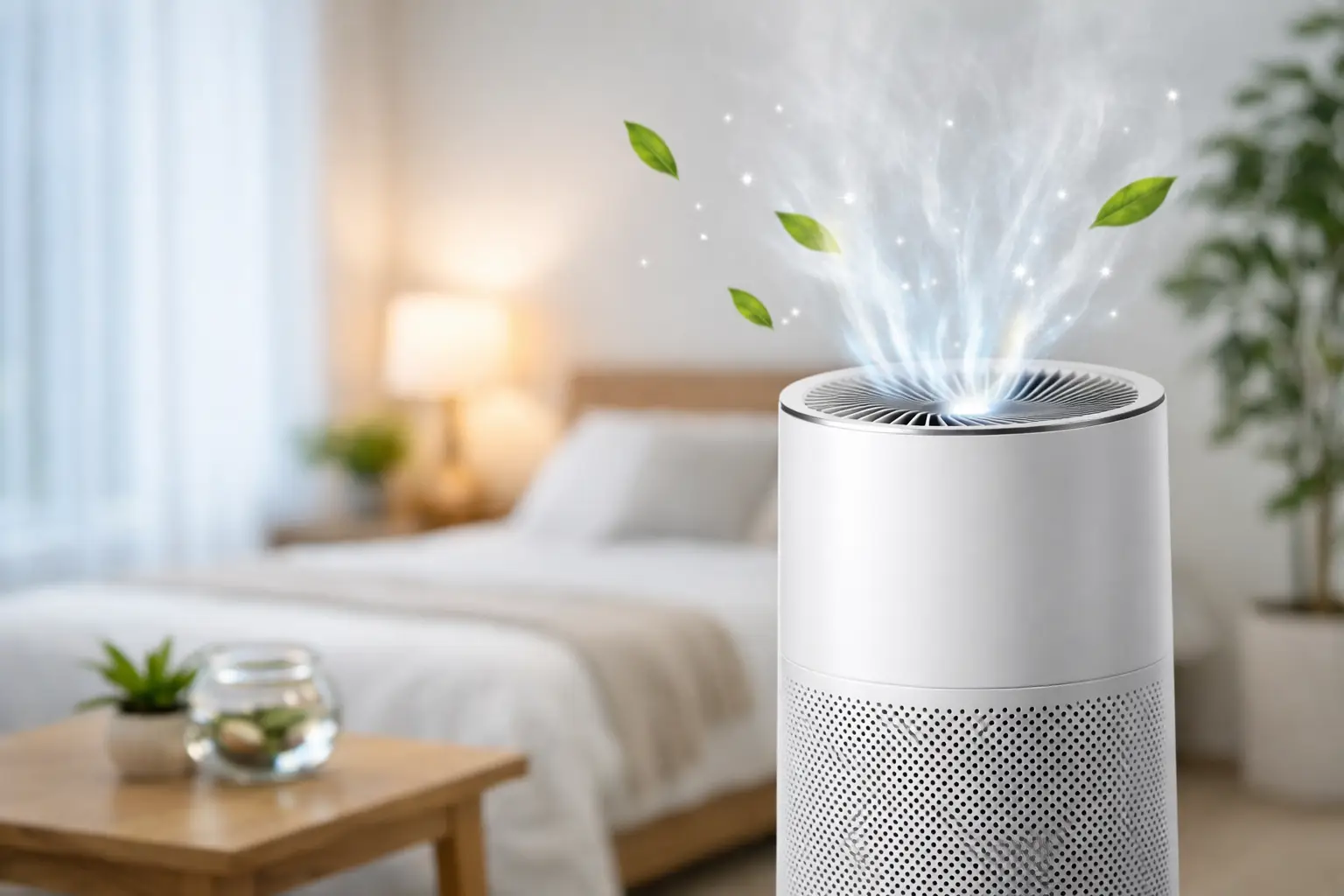
A good home air purification guide starts with one practical question: what are you trying to remove from the air you breathe? A purifier that helps with seasonal allergies may not be the best answer for wildfire smoke, chemical odors, or a damp basement smell. Buying by concern gives you a clearer path to cleaner, more comfortable indoor air.
Your home does not need to feel polluted to have an air-quality problem. Dust, pet dander, pollen, cooking particles, cleaning-product vapors, and outdoor smoke can build up indoors, particularly when windows stay closed. The right air cleaner can reduce the airborne contaminants that trigger symptoms and make rooms harder to enjoy.
Start With the Air Problem You Can See or Feel
Symptoms and situations often point to the type of filtration you need. If you wake up congested, sneeze more in the bedroom, or notice more asthma irritation during pollen season, airborne particles are the likely concern. For that, a true HEPA air purifier is usually the strongest starting point.
HEPA filtration captures very small airborne particles, including dust, pollen, pet dander, mold spores, and many smoke particles. It does not remove every indoor-air concern, but it is a proven, practical choice for homes dealing with allergies, asthma triggers, or everyday particulate buildup.
Odors require a different approach. A purifier may trap visible dust while doing little for the smell of pets, cooking, tobacco, paint, or household chemicals. Look for substantial activated carbon filtration when odors, VOCs, or chemical sensitivities are central concerns. Carbon adsorbs gases and odors rather than simply catching particles.
Smoke is more demanding because it contains both fine particles and gases. Wildfire smoke, cigarettes, and other combustion sources call for a unit with HEPA filtration plus a meaningful carbon stage. A small carbon sheet may help with light odors, but it has limited capacity during persistent smoke events.
Match the Purifier to the Room, Not the Whole House
The room where people spend the most time deserves attention first. For many households, that is the bedroom. Running an appropriately sized purifier while you sleep can help reduce exposure to allergens and particles during six to eight uninterrupted hours indoors.
A living room may need a larger unit because it is more open, has more foot traffic, and often shares air with kitchens or hallways. For open floor plans, measure the full connected area rather than only the space where the purifier will sit. A unit rated for a small enclosed room will struggle if it is expected to clean air across a large, open main floor.
Pay attention to square-foot coverage, but treat it as a starting point. Coverage ratings can be based on different assumptions about ceiling height and air changes per hour. For allergy or smoke concerns, it is often wise to choose more capacity than the minimum room-size rating. More capacity allows the unit to clean the room faster and run at a quieter, lower fan speed.
Commercial spaces, offices, waiting rooms, and larger common areas may need commercial air purification systems rather than several small household units. The right choice depends on room volume, occupancy, contaminant source, and whether doors are frequently opened.
Understand the Main Air Purification Technologies
Not every air purifier works the same way, and terms on product pages can sound similar even when their functions are different. The best system is often one that combines technologies to address your specific concern.
HEPA filtration for particles
HEPA is the primary technology to consider for allergies, dust, pollen, dander, mold spores, and fine airborne particles. It is also a key component for smoke response. A purifier with a properly sealed HEPA filter is generally a dependable choice for everyday residential particle control.
Activated carbon for odors and gases
Activated carbon is especially useful for pet odors, cooking smells, tobacco odors, and some VOCs from new furniture, paint, cleaners, and fragrances. Carbon has a finite lifespan. Once its adsorption capacity is used, odors can return even if the filter still looks clean.
Photocatalytic purification for certain chemical concerns
Photocatalytic technologies are designed to address certain airborne chemicals and odors through a reaction process rather than filter capture alone. They can be worth considering for buyers focused on VOCs and chemical sensitivity, although performance depends on the unit design, airflow, and the pollutants present. They are not a replacement for ventilation or source control.
Ionic and ozone-producing devices
Be careful when comparing ionizers and devices that intentionally produce ozone. Some units use ionization as one feature among several, while others rely heavily on it. For homes with asthma, respiratory sensitivity, children, or pets, avoiding ozone-generating air cleaners is typically the more cautious choice. Cleaner air should not come with an added lung irritant.
Put the Unit Where It Can Actually Work
Placement changes performance more than many buyers expect. Set the purifier on a stable surface with clear space around its air intake and outlet. Do not wedge it behind a sofa, under a table, or tightly into a corner where airflow is restricted.
In a bedroom, place it a few feet from the bed rather than directly beside your pillow. In a living room, keep it near the main activity area but away from curtains and furniture that block air movement. If one person has allergies or asthma, prioritize the room where that person sleeps instead of trying to clean every room lightly.
Keep doors and windows closed when outdoor pollen or smoke is high. An air purifier can continuously reduce indoor particles, but it cannot keep up efficiently if outdoor contaminants are pouring into the room. When outdoor air quality is good, fresh-air ventilation is still valuable, especially for reducing indoor chemical buildup.
Use Source Control Alongside Filtration
An air cleaner is a powerful tool, but it should not be asked to solve a problem at its source. If smoke is entering through gaps around windows, reduce those leaks. If a basement has recurring musty odors, investigate moisture and mold conditions. If cleaning sprays trigger headaches, switch to lower-odor products and use ventilation.
For pet dander, regular vacuuming with a sealed HEPA vacuum and washing pet bedding can reduce the amount of material that becomes airborne. For cooking particles, use a vented range hood whenever possible. For dust, damp wiping and routine filter changes in your HVAC system help prevent constant recirculation.
This matters because purifier performance is not a pass or fail question. A correctly sized unit can make a meaningful difference, but results are strongest when filtration, cleaning habits, ventilation, and source control work together.
Do Not Forget Filter Replacement
A purifier is only as effective as its filters. Pre-filters catch larger debris and may need vacuuming or cleaning regularly. HEPA filters generally require replacement on the manufacturer’s schedule, though heavy smoke, pets, construction dust, or high pollen can shorten their usable life.
Carbon filters need particular attention because odor control can decline before the filter appears dirty. If a room starts smelling stale again or chemical odors return, the carbon stage may be exhausted. Keep the correct replacement filter kit on hand so the purifier does not sit unused while you wait for a new filter.
Avoid washing filters unless the manufacturer specifically identifies them as washable. Water can damage filter media, encourage microbial growth, or reduce the filter’s ability to capture particles.
Consider an Air Quality Monitor When the Problem Is Unclear
Some air concerns are obvious. Others are not. An indoor air quality monitor can help identify changes in particulate levels, VOCs, humidity, or other conditions based on the model. This is useful after cooking, during wildfire season, when using new furnishings, or when you want to see whether a purifier is reducing airborne particles in a particular room.
Monitoring does not replace common sense or professional inspection when there is a suspected mold, combustion, or radon issue. Radon requires dedicated testing and monitoring equipment because it is odorless, colorless, and cannot be addressed by a standard room air purifier.
A Smarter Home Air Purification Guide for Buyers
Choose a purifier based on the contaminant, room size, and time spent in the space. For allergies, start with HEPA. For odors and chemicals, prioritize carbon capacity. For smoke, use both. For larger or shared areas, select enough airflow to make a real difference rather than relying on a small unit with an ambitious coverage claim.
A.M.I. Services organizes air purification options around concerns such as allergies, smoke, odors, mold, germs, and VOCs because the most useful purchase begins with the problem you want to solve. Clean indoor air is not about finding one device that does everything perfectly. It is about choosing the right protection for the room where your family needs it most.
Start with the space you use every day, run the purifier consistently, and let cleaner air become part of the routine rather than another problem waiting for attention.
Recent Posts
-
Home Air Purification Guide for Cleaner Rooms
August 6, 2026 A good home air purification guide starts with one practical question: what are you …3rd Nov 2026 -
Choosing a Commercial HEPA Air Purifier
August 4, 2026 A busy office can look clean while its air carries dust, pollen, respiratory …3rd Nov 2026 -
VOC Monitor for Home: What Readings Mean
August 2, 2026 A new sofa, a freshly painted bedroom, a strong cleaner under the kitchen sink - th …3rd Nov 2026