
Replacement HEPA Filter Kits That Fit Right
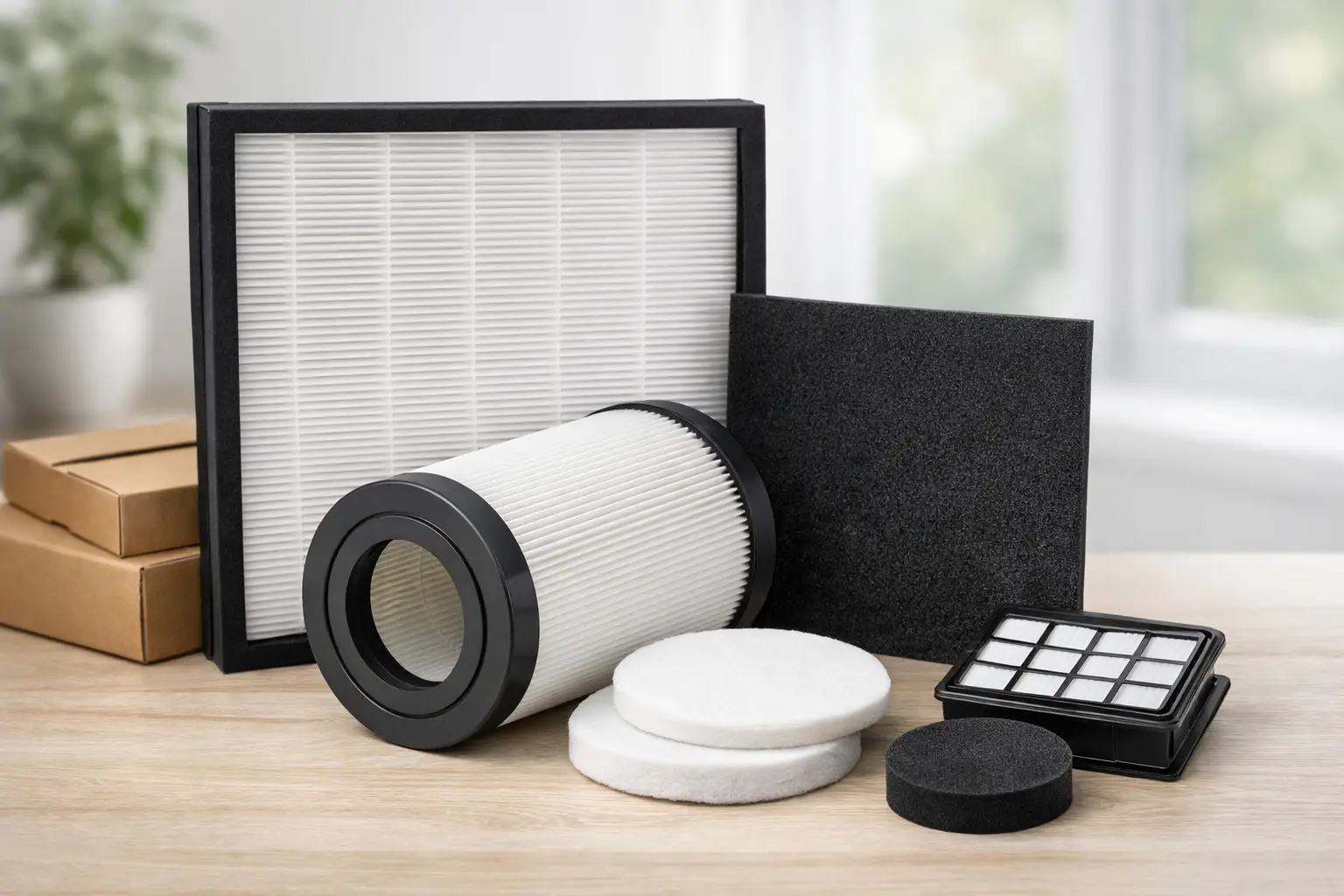
A room air purifier can still sound normal while its filtration performance has slipped. When the filter is loaded with dust, pet hair, pollen, or smoke particles, less air can move through the unit and the purifier may not deliver the relief you expect. Replacement HEPA filter kits are the practical way to restore the protection your air cleaner was designed to provide - but only when the kit matches your exact model and your indoor air concerns.
For households managing allergies, asthma, wildfire smoke, pet dander, or persistent odors, filter replacement is not just a maintenance task. It is part of keeping indoor air cleaner where your family sleeps, works, and spends most of its time.
What Is Included in a Replacement HEPA Filter Kit?
A filter kit is a set of replacement filters designed to work together in a specific air purifier. The contents vary by brand and model, so do not assume every kit includes the same components. Many systems use a staged approach: a pre-filter captures larger debris, a HEPA filter captures fine airborne particles, and a carbon filter or carbon blend addresses gases and odors.
The pre-filter is often the first line of defense against lint, hair, and larger dust. Keeping it clean can help extend the life of the more expensive internal filters. The HEPA filter handles the fine particulate matter that matters most for allergy and respiratory comfort, including pollen, mold spores, pet dander, and many smoke particles. Activated carbon has a different job. It adsorbs odor-causing chemicals and certain gases, making it especially useful for cooking odors, VOCs, tobacco smoke, and chemical sensitivities.
Some purifiers combine these functions into a single cartridge. Others use separate filter stages, each with its own replacement schedule. Check the product manual or the label on your existing filter before ordering. A filter that looks similar may not seal correctly, and an incorrect fit can allow air to bypass the filter media.
When Should You Replace HEPA Filter Kits?
The best replacement interval depends on the purifier, the room, and the contaminants it handles. Manufacturer guidance is the starting point, but real-world conditions can shorten filter life considerably. A purifier running continuously in a home with pets, heavy pollen, construction dust, or frequent smoke exposure will generally need attention sooner than one used occasionally in a low-particle environment.
Watch for practical signs that a change is due. Reduced airflow, a more noticeable layer of dust in the room, a filter that is visibly darkened, or odors that return sooner can all point to a spent filter stage. If your unit has a filter-change indicator, use it as a useful prompt, not an absolute rule. These indicators often estimate runtime rather than measuring the actual amount of contamination in the filter.
Carbon filters deserve special attention. They can become saturated with odors and gases even when they still look relatively clean. If a purifier used to control litter box odors, cooking smells, or smoke but no longer does, the carbon stage may be ready for replacement. HEPA media and carbon media solve different problems, so replacing only one stage may not restore the performance you need.
For many residential units, pre-filters need cleaning or replacement more often than the main HEPA filter. Never wash a HEPA filter unless the manufacturer specifically identifies it as washable. Water can damage the media and reduce its ability to filter particles. A quick vacuum may be appropriate for certain permanent pre-filters, but follow the instructions for your particular model.
How to Choose the Right Replacement HEPA Filter Kit
Start with the exact purifier model number, not just the brand name. Manufacturers often make similar-looking units with different filter dimensions, gasket styles, carbon configurations, and airflow designs. The model number is commonly found on the back or bottom of the purifier, on the original box, or in the owner’s manual.
Next, confirm what is included in the kit. If your system uses a separate carbon filter and a HEPA filter, purchasing a HEPA-only replacement may leave an odor problem unresolved. If the kit includes a pre-filter, decide whether you need the full set now or whether a less expensive single-stage replacement is appropriate. Buying the correct kit together can be convenient when multiple stages are nearing the end of their service life.
Also consider whether you need a standard replacement or a specialty version. Some manufacturers offer enhanced carbon blends for smoke, chemicals, or odor control. Others offer antimicrobial treatments or allergy-focused filter configurations. Those options can be worthwhile when they address a clear concern, but they are not automatically better for every room. A bedroom with seasonal pollen concerns may benefit most from reliable particle filtration, while a freshly renovated room may need stronger gas and VOC control as well.
Genuine and Compatible Filters: The Trade-Off
Genuine manufacturer filters are made for the purifier’s specified fit and airflow path. They are usually the simplest choice when you want confidence that the replacement will install correctly and preserve the unit’s intended performance. This can matter especially in higher-end air cleaners, commercial units, and systems where filter fit is essential to prevent bypass.
Compatible filters can cost less and may be a reasonable option when they are clearly identified for your exact model. The trade-off is quality variation. Check dimensions, filtration claims, seal design, and the type and amount of carbon included. A low-priced replacement that is too thin, poorly sealed, or lightly filled with carbon may reduce real-world performance even if it fits inside the cabinet.
Avoid choosing solely by the word “HEPA.” The quality of the complete filter system matters. Proper fit, sufficient media area, a secure gasket, and the correct carbon stage all affect how well the purifier handles your particular air problem.
Replace Filters Without Creating a Dust Problem
Turn off and unplug the air purifier before opening it. If the old filter is heavily loaded, move slowly to avoid shaking collected dust back into the room. People with strong allergies, asthma, or mold sensitivities may prefer to wear a mask and handle the filter outdoors or near an open exterior door when practical.
Remove the old filter according to the unit’s directions and place it directly into a trash bag. Before installing the new kit, use a dry cloth or a vacuum with a crevice tool to remove loose dust from the filter compartment and air intake grille. Do not spray cleaners or liquids into the purifier unless the manufacturer permits it.
Install each stage in the correct order and pay attention to airflow arrows. A filter installed backward may restrict airflow or keep the system from operating as designed. Make sure panels and latches close fully. After the unit is reassembled, reset the filter indicator if your purifier has one, then run it on a higher setting for a few minutes to confirm normal airflow.
Get More Life From Every Filter
A replacement kit works hardest when the purifier is placed and used correctly. Keep the unit away from curtains, furniture, and walls that block the intake or exhaust. Run it consistently in the room where the air concern exists rather than moving it from room to room for short periods. For smoke events, allergy season, or active odor concerns, continuous operation at an appropriate speed is often more effective than occasional high-speed use.
Source control also protects your filters. Vacuuming with a sealed vacuum, grooming pets regularly, using kitchen ventilation, and keeping windows closed during high-pollen or smoke conditions can reduce the particle load entering the purifier. No room air cleaner can compensate fully for an ongoing indoor pollution source, such as visible mold growth, a gas leak, or water damage that has not been corrected.
A.M.I. Services helps shoppers match recognized air-cleaning brands and replacement filters to concerns such as allergies, smoke, odors, dust, and chemical exposure. The right filter kit should feel straightforward: identify the exact unit, replace the stages that address your concern, and keep a replacement schedule that reflects how hard your purifier works. Fresh filters give your air cleaner the best chance to keep delivering cleaner, more comfortable air when you need it most.
Recent Posts
-
How a Mold Prevention Air Purifier Helps
July 31, 2026 A mold prevention air purifier can be a useful part of a healthier indoor-air …30th Oct 2026 -
How to Reduce Airborne Bacteria in Your Home
July 29, 2026 A closed bedroom after a night of sleep, a busy family kitchen, a packed waiting roo …30th Oct 2026 -
How to Reduce Mold Odors and Keep Them Away
July 27, 2026 That musty smell in a basement, bathroom, closet, or office is not just an annoyance …30th Oct 2026