
How to Reduce Mold Odors and Keep Them Away
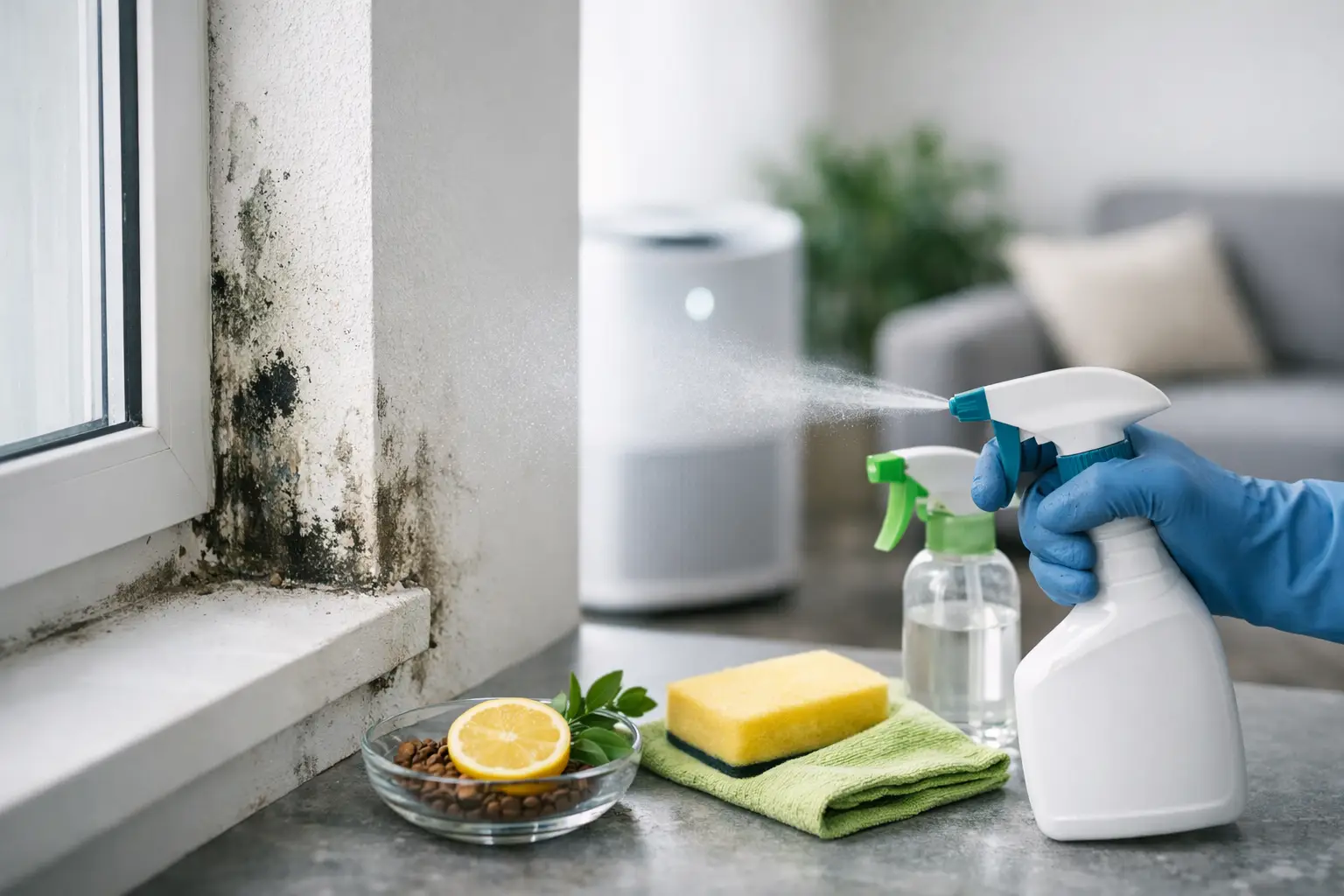
That musty smell in a basement, bathroom, closet, or office is not just an annoyance to cover with fragrance. It is often a signal that moisture is feeding mold growth somewhere nearby. Knowing how to reduce mold odors starts with treating the source of the smell, then improving the air and conditions that allowed it to develop.
Air fresheners, scented candles, and odor sprays may briefly change what you notice, but they do not remove mold spores, damp materials, or microbial gases. A lasting solution requires a little investigation. The good news is that many small odor issues can be corrected before they become a larger cleanup project.
Why Mold Odors Return
Mold produces volatile compounds as it grows. These compounds are responsible for the familiar earthy, stale, or damp odor many people associate with a wet basement or water-damaged room. If the smell returns after cleaning, the mold may still be present, the material may still be damp, or both.
Common hidden sources include a slow plumbing leak behind a vanity, condensation around a window, wet carpet padding, a poorly vented shower, damp laundry, or a HVAC drain issue. In commercial spaces, mold odors can also come from ceiling tiles, stored inventory, break rooms, or an air-handling system with excess moisture.
The odor alone cannot tell you how much mold is present or which species it is. However, it does tell you that the area deserves attention. For people with allergies, asthma, or chemical sensitivities, even a mild musty odor can make a room feel uncomfortable and affect how easily they breathe.
How to Reduce Mold Odors at the Source
The most effective approach follows a simple order: stop the moisture, remove or clean affected materials, dry the area thoroughly, and then filter the remaining airborne particles and odors.
Find and Correct the Moisture Problem
Before cleaning, look for the reason the area stayed damp. Check under sinks, around toilets, near water heaters, beneath windows, behind furniture on exterior walls, and around HVAC equipment. A moisture meter can help identify damp drywall, wood, or flooring where there is no visible staining.
Humidity is a frequent culprit. Indoor relative humidity is generally best kept around 30% to 50%. When humidity remains high, condensation can form on cool surfaces and provide moisture for mold. Use bathroom and kitchen exhaust fans, run a dehumidifier in damp lower levels, and make sure dryer vents discharge outdoors rather than into an attic, garage, or crawl space.
If you find an active leak, repair it first. Cleaning mold while water is still entering the area is temporary work. For a significant leak, sewage backup, flood, or ongoing roof intrusion, professional assessment may be the safest option.
Decide What Can Be Cleaned and What Must Be Removed
Hard, nonporous surfaces such as tile, glass, metal, and many sealed countertops can usually be cleaned if the affected area is small. Wear gloves and appropriate respiratory protection, ventilate the room, and scrub with detergent and water or a cleaner intended for the surface. Dry completely afterward.
Porous materials are more complicated. Drywall, carpet padding, insulation, ceiling tiles, upholstered furniture, and untreated wood can hold moisture and mold below the surface. If these materials are extensively moldy, water-damaged, or still smell musty after drying and cleaning, removal may be necessary. Trying to deodorize damaged porous material can leave the underlying problem in place.
Avoid mixing cleaning chemicals. In particular, never combine bleach with ammonia, acids, or other household cleaners. Bleach is not always the best answer for porous materials, either, because it may not reach mold growing below the surface. The right method depends on the material, the amount of damage, and whether moisture has been fully controlled.
Dry More Thoroughly Than You Think You Need To
A surface can feel dry while framing, padding, or the air behind a wall remains damp. Increase airflow with fans where appropriate, use a dehumidifier, and keep doors or closets open while the area dries. In a bathroom, wipe down wet shower walls and avoid leaving damp towels piled on the floor.
For water events, speed matters. Materials that stay wet for more than a day or two are more likely to support mold growth. If carpeting, drywall, or insulation was soaked, a restoration professional can determine whether drying equipment or material removal is needed.
Improve the Air After Cleanup
Once the source has been addressed, air cleaning can help reduce lingering particles and odors. It should not replace moisture control or physical cleanup, but it can make the room more comfortable while you finish drying and monitoring the area.
A room air purifier with a true HEPA filter is useful for capturing airborne mold spores, dust, and other fine particles. For the musty odor itself, look for substantial activated carbon or another odor-adsorbing media. HEPA handles particles; carbon is the component that helps with many gases and odors. A purifier that relies on only one type of filtration may not address both concerns equally well.
Match the unit to the room size and run it consistently, especially in bedrooms, basements, offices, or other spaces where people spend hours at a time. Keep doors and windows closed when outdoor humidity is high, and place the purifier where airflow is not blocked by furniture, curtains, or a corner wall.
Filter maintenance matters. A loaded pre-filter can restrict airflow, while exhausted carbon has less ability to adsorb odors. Follow the recommended replacement schedule, but replace filters sooner if the room has heavy dust, smoke exposure, pet dander, or a continuing odor issue. A.M.I. Services carries specialty air purification options and replacement filters designed for buyers who need practical support for mold, odor, and allergen concerns.
Prevent Musty Odors From Coming Back
Prevention is usually less expensive than repeated cleanup. Make a habit of checking the places that collect moisture and receive the least airflow. Basements, crawl spaces, bathrooms, laundry rooms, closets, and storage areas deserve the most attention.
Keep stored belongings off concrete floors when possible, and avoid packing damp items into sealed bins. Leave a few inches between furniture and exterior walls so air can circulate. In bathrooms, use the exhaust fan during showers and for a while afterward. If a fan does not clear steam effectively, it may need cleaning, repair, or replacement.
For HVAC systems, change filters on schedule and inspect condensate drains and pans. A clogged drain can create moisture and odors near air equipment, then distribute unpleasant smells through the home or office. If musty air appears primarily when the system runs, have the equipment inspected rather than assuming the problem is only in the room.
A simple indoor humidity monitor can also make prevention easier. It gives you a clear signal when a dehumidifier, ventilation, or a closer look for leaks is needed. This is particularly useful in humid climates and in below-grade spaces where relative humidity can rise without obvious condensation.
When to Call a Mold Professional
Small areas of surface mold may be manageable for a homeowner, but some situations call for experienced remediation. Consider professional help when mold covers a large area, returns repeatedly, follows flooding or sewage contamination, involves HVAC components, or may be hidden behind walls or under flooring.
You should also take recurring odors seriously if someone in the building has worsening asthma symptoms, significant allergies, or a compromised immune system. A professional can locate moisture, assess materials, and recommend containment and removal steps that reduce the risk of spreading contamination during cleanup.
The goal is not to make a musty room smell perfumed. It is to make the room dry, clean, and easier to live or work in. When moisture control, proper cleanup, and effective air filtration work together, mold odors have far less opportunity to return.
Recent Posts
-
How a Mold Prevention Air Purifier Helps
July 31, 2026 A mold prevention air purifier can be a useful part of a healthier indoor-air …30th Oct 2026 -
How to Reduce Airborne Bacteria in Your Home
July 29, 2026 A closed bedroom after a night of sleep, a busy family kitchen, a packed waiting roo …30th Oct 2026 -
How to Reduce Mold Odors and Keep Them Away
July 27, 2026 That musty smell in a basement, bathroom, closet, or office is not just an annoyance …30th Oct 2026