
Air Purifier Placement Guide for Cleaner Rooms
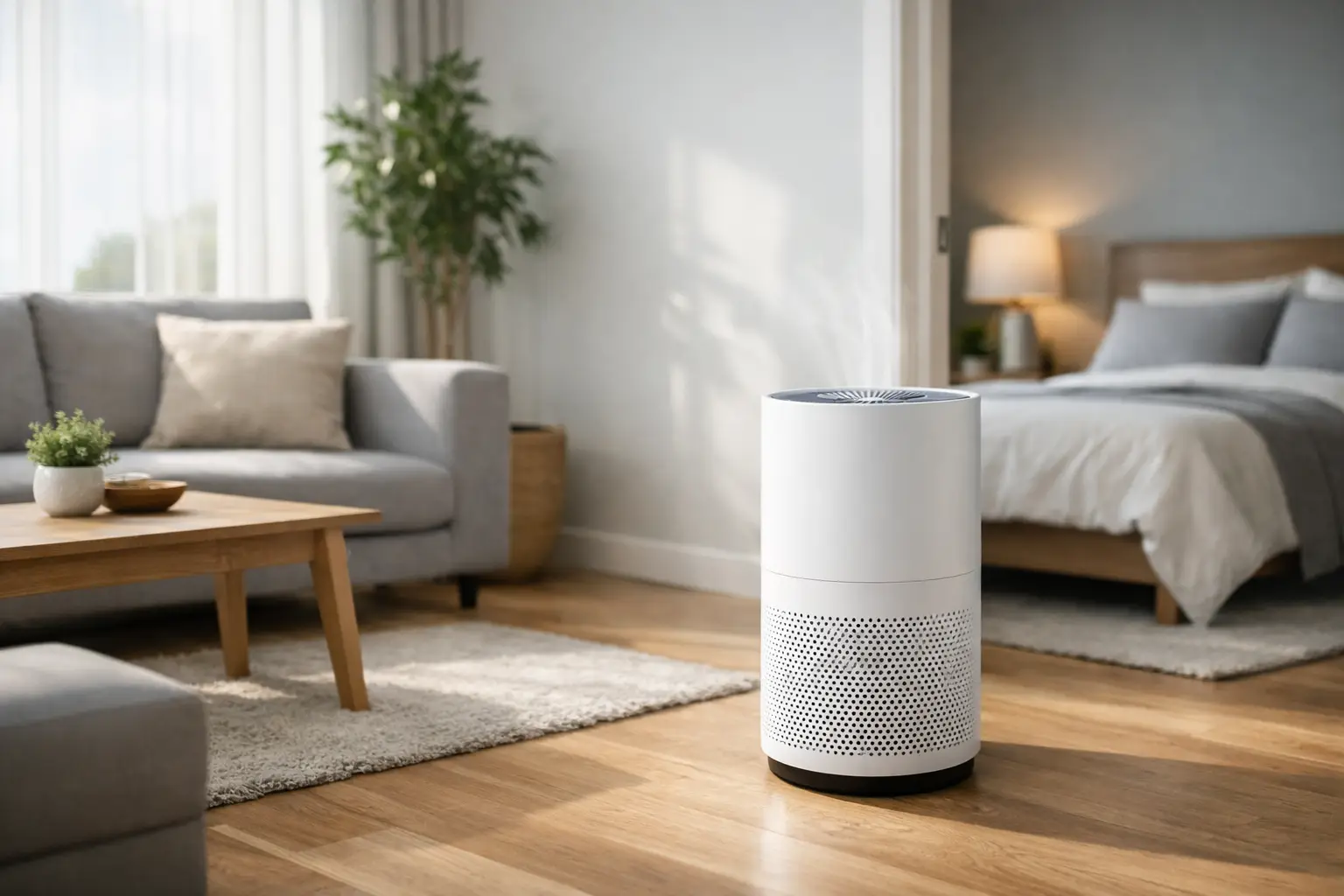
A good air purifier can only clean the air that reaches it. That is why an air purifier placement guide matters as much as choosing the right filtration technology and room-size rating. Put a capable unit in a blocked corner, behind furniture, or far from the people and pollutants it is meant to protect, and you may see slower results than expected.
The best location depends on the problem you are trying to solve. Allergy sufferers may need cleaner air near the bed. A household dealing with cooking smoke or pet odors may need a purifier closer to the source. For most homes, the goal is simple: give the purifier open access to the room's air while placing it where you spend the most time.
Air Purifier Placement Guide: Start With the Right Room
Do not begin by looking for an empty outlet. Begin with the room where cleaner air will make the biggest difference. If you are managing asthma, allergies, chemical sensitivities, smoke, or sleep-related discomfort, the bedroom is often the strongest first choice. You spend many uninterrupted hours there, usually with doors and windows closed, which gives a properly sized air cleaner time to filter the room's air repeatedly.
For families, the main living area may be the better priority. This is where people, pets, upholstered furniture, dust, and daily activity create a steady particle load. A purifier in this space can help reduce airborne dust, pollen, pet dander, and other particles that circulate when people move around.
In an office, place the unit in the occupied work area rather than a storage room, reception area, or hallway. If one employee has pronounced allergies or sensitivities, their workstation zone may need priority, provided the purifier has enough clear space to operate correctly.
A single room air purifier is most effective when the door is generally closed or the room is reasonably contained. It will not perform like a whole-house system when placed in an open floor plan, a large connected living area, or a home with doors open throughout the day. In those situations, use a unit rated for the full connected space or consider using more than one purifier.
Give the Unit Room to Pull in Air
Most portable air purifiers draw air through an intake and send cleaned air back into the room through an outlet. Both areas need breathing room. A useful starting point is to keep the unit at least 12 to 18 inches from walls, curtains, furniture, and large objects. Always follow the spacing requirements in the owner's manual, since intake and outlet designs vary by model.
Avoid placing a purifier behind a sofa, under a desk, inside a cabinet, or tightly between furniture. These locations can restrict airflow, make filter changes harder, and reduce the amount of room air moving through the system. A purifier may still run, but it will have less opportunity to capture airborne particles, odors, or gases.
Central placement can be helpful, especially in a square room with no obvious pollution source. But central does not always mean the exact middle of the floor. A clear spot along a wall may work just as well if it keeps the purifier accessible and away from obstructions. The practical answer is usually the location with the clearest path for air to enter and leave the unit.
Keep the unit on a stable, level surface. Many floor-standing purifiers are designed to operate on the floor, while smaller models can sit on a sturdy table or dresser. Do not place a unit where it can be bumped, splashed, covered, or knocked over by children or pets.
Do not block the clean-air outlet
The outlet is easy to overlook. If clean air blows directly into a curtain, the underside of a table, or the back of a couch, circulation suffers. Aim the outlet into open room space whenever possible. This helps the cleaned air mix with the room air and encourages more air to return to the purifier for additional passes.
Place It Near People, Not Just Pollutants
For allergy and asthma concerns, put the purifier in the room where symptoms are most disruptive. In a bedroom, a location several feet from the bed is often preferable to placing the unit directly beside your pillow. You want clean air circulating through the sleeping area without a strong airflow stream, noise concern, or bright control panel interrupting rest.
For smoke, odors, VOCs, or fumes, closer to the source can help, but do not crowd the source. A purifier should not be placed directly beside a stove, fireplace, candle, litter box, or chemical product. Grease, heat, moisture, and concentrated contaminants can affect equipment performance and filter life. Place it nearby with clear airflow, then run it at a higher setting while the source is active and afterward.
If smoke is entering from outdoors, position the purifier in the room where you are sheltering, not directly at an open window. Keep windows and exterior doors closed when outdoor smoke, pollen, or other pollutants are high. A purifier cannot keep up efficiently if contaminated outdoor air is continually entering the room.
Watch Out for Doors, Windows, and Vents
Air movement from HVAC vents, fans, open windows, and doorways can change purifier performance. A purifier does not need to be far from every vent, but avoid placing it directly in the path of strong supply air. Powerful airflow can push pollutants across the room before the purifier can draw them in, or it can create an uneven cleaning pattern.
Do not put the unit directly under a supply vent or immediately next to a return grille. Instead, move it a few feet away and leave the intake unobstructed. If you have central heating and cooling, run the system as needed and maintain its filters. Your HVAC filter and room purifier can work together, but they serve different roles.
Open windows are another trade-off. Fresh outdoor air can be beneficial when outdoor air quality is good. During high-pollen days, wildfire smoke events, heavy traffic pollution, or humid weather that worsens indoor mold concerns, an open window may bring in more pollutants than a room purifier can remove. In those conditions, close the window and operate the purifier consistently.
Keep it away from moisture and heat
Bathrooms, laundry rooms, and kitchens create special challenges. High humidity can contribute to mold growth, while steam and grease can shorten filter life. Use bathroom exhaust fans and kitchen range hoods to control moisture and cooking emissions at the source. A room air purifier can support these measures in an adjacent living space, but it is not a substitute for proper ventilation.
Keep units away from direct water exposure, humidifier mist, fireplaces, radiators, and heat-producing appliances. Electrical safety and long-term equipment reliability matter as much as air-cleaning performance.
One Purifier Per Room Is Often the Practical Answer
Air does not travel neatly from room to room. A purifier in the living room will not provide the same protection in a closed bedroom down the hall. If someone has allergies, asthma, or significant sensitivity at night, a dedicated bedroom unit is usually more effective than relying on a larger unit elsewhere in the home.
This is especially true in homes with pets. Dander settles on floors and furniture, then becomes airborne again when pets and people move through the room. Put purification where the pet spends time and where the affected person sleeps or works. If budget allows for only one unit, start with the room that delivers the most health or comfort benefit.
For larger open areas, measure the actual space rather than guessing. Include connected dining rooms, kitchens, hallways, or loft spaces when air moves freely between them. Choose an air purifier with capacity appropriate for that larger area, and understand that high ceilings, frequent door traffic, and active pollution sources may require more filtration power or an additional unit.
Test the Location and Adjust
After placing your purifier, give it time to work. Run it continuously on a comfortable setting, or use a higher setting during periods of smoke, cleaning, cooking, pet activity, or high outdoor pollen. Many people run bedroom units on a lower speed overnight and increase the fan speed when the room is unoccupied.
Pay attention to real-world signs. Are odors clearing faster? Is visible dust reduced? Are allergy symptoms less noticeable in the room? An air quality monitor can provide another useful reference point, particularly for particle levels. If performance seems weak, check whether the filter is installed correctly, whether the unit is sized for the room, and whether furniture or curtains are limiting airflow.
Filter maintenance is part of placement, too. A purifier tucked into an inconvenient corner is more likely to go months with a neglected filter. Follow the recommended replacement schedule, replacing pre-filters and main filters as required by the model and your pollution load. Smoke, pets, heavy dust, and odors can mean more frequent changes.
The right placement does not need to be perfect. Choose the room that needs help most, keep the purifier open to the air, and make it easy to run and maintain every day. That practical setup gives your air cleaner the best chance to support the healthier, more comfortable indoor space you are trying to create.
Recent Posts
-
How a Mold Prevention Air Purifier Helps
July 31, 2026 A mold prevention air purifier can be a useful part of a healthier indoor-air …30th Oct 2026 -
How to Reduce Airborne Bacteria in Your Home
July 29, 2026 A closed bedroom after a night of sleep, a busy family kitchen, a packed waiting roo …30th Oct 2026 -
How to Reduce Mold Odors and Keep Them Away
July 27, 2026 That musty smell in a basement, bathroom, closet, or office is not just an annoyance …30th Oct 2026