
How a Mold Prevention Air Purifier Helps
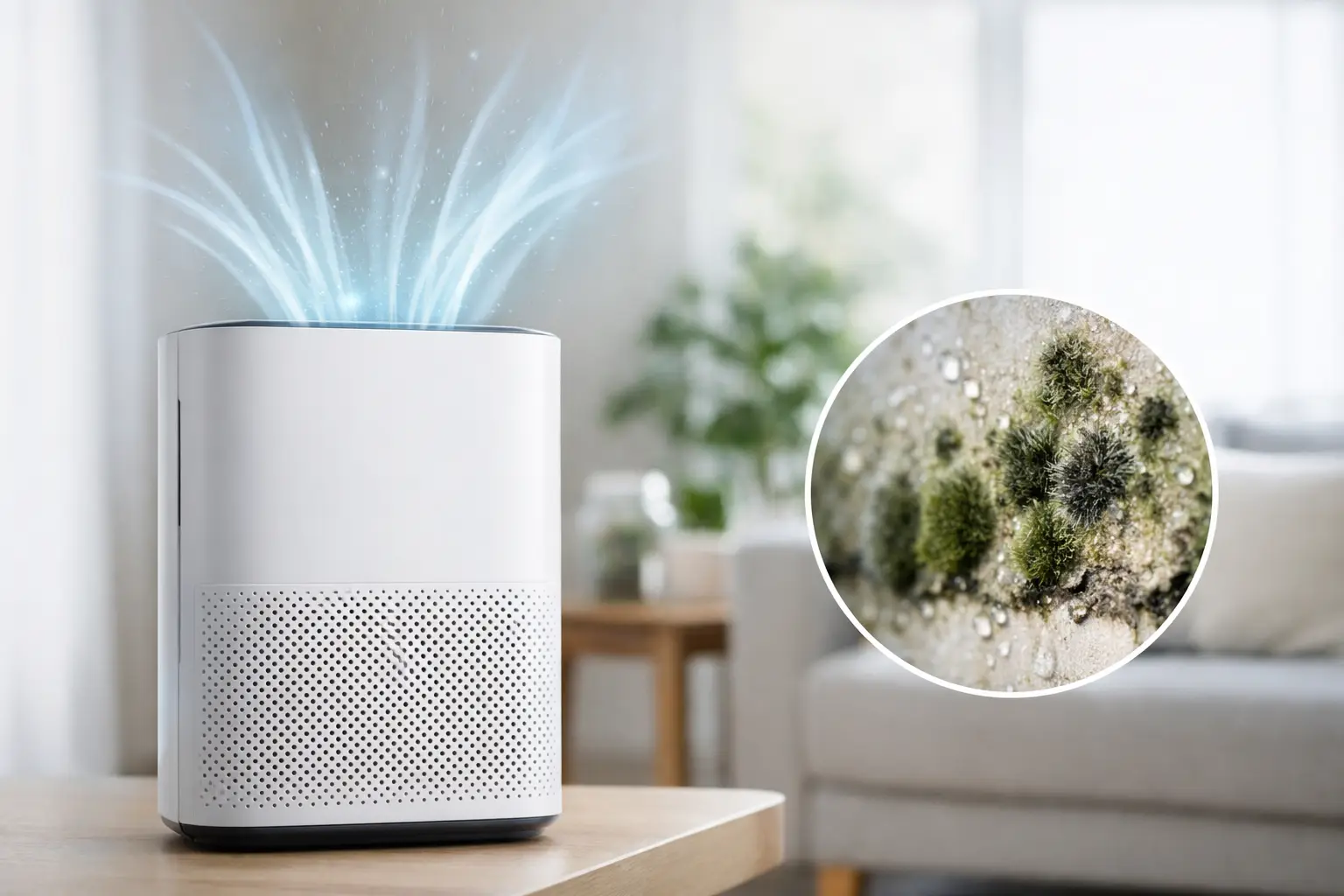
A mold prevention air purifier can be a useful part of a healthier indoor-air plan, especially after a leak, during humid weather, or when musty odors keep returning. But it is not a substitute for fixing moisture. Mold needs water, a food source, and time to grow. An air purifier can reduce airborne spores and help limit their movement through a home or workplace, while moisture control stops the conditions that allow colonies to take hold.
That distinction matters for families managing allergies or asthma, renters dealing with a damp closet, and office managers trying to address recurring odors. The best results come from pairing the right air cleaner with prompt leak repairs, appropriate humidity control, and removal of mold-damaged materials when needed.
What a Mold Prevention Air Purifier Can and Cannot Do
Mold spores are naturally present indoors and outdoors. They are tiny, lightweight particles that can enter through open doors, windows, HVAC systems, shoes, and pets. When a purifier pulls room air through a high-efficiency particle filter, it can capture many of these airborne particles before they settle on surfaces.
This is particularly valuable in rooms where people spend long periods of time, such as bedrooms, nurseries, living rooms, home offices, and waiting areas. Reducing the airborne spore load may also help people who notice more respiratory irritation, sneezing, coughing, or allergy symptoms in damp environments. An air purifier can also collect dust and other particles that mold spores may travel with.
What it cannot do is dry wet drywall, stop a plumbing leak, clean mold hidden behind a wall, or reverse structural damage. It also cannot reliably remove mold growing on carpet padding, insulation, ceiling tiles, or other porous materials. If visible mold covers a large area, the building has experienced contaminated water, or occupants are experiencing significant symptoms, the underlying moisture problem and cleanup should be addressed first.
Think of purification as containment support and exposure reduction, not a cure for an active moisture problem.
Why True HEPA Filtration Is the Best Starting Point
For mold concerns, a room air purifier with a True HEPA filter is usually the most practical choice. HEPA filtration is designed to capture very small airborne particles, including many mold spores, pollen, fine dust, and pet dander. This gives it a clear role in spaces where particle removal is the main goal.
Filter quality matters more than marketing language. Terms such as “HEPA-type,” “HEPA-style,” or “99% filtration” do not necessarily mean the unit uses a True HEPA filter. Look for a product that clearly identifies its filter type and offers readily available replacement filters. A purifier is only as effective as the filter inside it and the air it can move through the room.
A substantial prefilter is also helpful. It captures larger dust, lint, and hair before they reach the main HEPA filter, which can help preserve filter life. In homes with pets, carpet, or high dust levels, this is especially useful.
Activated carbon is worth considering when a mold concern includes a persistent musty smell. Carbon does not capture mold spores in the same way HEPA does, but it can help adsorb some odor-causing gases and volatile organic compounds. The amount and quality of carbon vary widely by unit. A thin carbon sheet may offer modest odor reduction, while a deeper carbon bed generally has more capacity.
Avoid Ozone for Mold and Odor Problems
Some devices are promoted as odor eliminators through ozone or intentional ionization. These approaches can sound appealing when a basement or storage room smells musty, but ozone is a lung irritant and should not be used in occupied spaces. It can be particularly concerning for people with asthma, COPD, chemical sensitivities, or other respiratory conditions.
For everyday mold prevention, choose mechanical filtration from a trusted air-cleaning system rather than relying on ozone-generating equipment. If a unit has an optional ionizer, review the manufacturer’s information carefully and use it only if you understand how it operates and whether it creates ozone. Straightforward HEPA and carbon filtration is easier to evaluate and is the right foundation for most homes and offices.
Choosing the Right Size Air Purifier
An undersized purifier may run constantly without making a meaningful difference. A properly sized unit can circulate and filter the room’s air several times per hour. This is why the manufacturer’s recommended room coverage should be treated as a starting point, not a guarantee.
Measure the room’s length and width, then multiply them to find square footage. For a typical 8-foot ceiling, select a purifier rated for at least that room size at a realistic operating speed. If the room has high ceilings, an open floor plan, frequent foot traffic, or a known moisture history, choose more capacity than the minimum.
For bedrooms, quieter operation often matters because the unit may run overnight. For basements, laundry rooms, or offices, stronger airflow may be the priority. A larger unit run at a medium setting is often more effective and less disruptive than a smaller model running on high all day.
Portable room purifiers work best with doors and windows mostly closed. If mold odor or humidity affects the entire home, one small purifier in a central hallway is unlikely to solve the problem. Place units in the rooms where exposure is highest, and consider separate units for separate levels or problem areas.
Placement That Supports Better Air Cleaning
Place the purifier where it has open space to pull in and discharge air. Do not wedge it behind furniture, press it against a wall, or block the intake with curtains. Keep it out of direct splash zones in bathrooms, laundry areas, and unfinished basements unless the equipment is specifically rated for that environment.
In a bedroom, position the unit a few feet from the bed rather than directly against it. In a basement, place it near the main occupied area or close to the source of airborne odor, while leaving adequate clearance around the unit. If an HVAC return is spreading odors throughout the building, the source and HVAC system may need professional attention as well.
Moisture Control Is the Real Prevention Step
The most effective mold prevention strategy is keeping indoor moisture under control. Aim to maintain indoor relative humidity around 30% to 50%. In many climates, a dehumidifier is necessary in basements, crawl spaces, laundry rooms, and other areas that remain damp even when the rest of the home feels comfortable.
A humidity monitor takes the guesswork out of the process. If humidity regularly rises above 60%, mold-friendly conditions become more likely. Watch for condensation on windows, water stains on ceilings, bubbling paint, warped flooring, damp carpet, and recurring musty odors. These signs should lead to an investigation, not just a higher fan speed on the purifier.
Address leaks promptly, including slow drips under sinks, refrigerator water-line leaks, roof leaks, and condensation around pipes. Run bathroom exhaust fans during showers and for a period afterward. Vent clothes dryers outdoors. Keep gutters and grading directed away from the foundation. These practical steps are less glamorous than an air purifier, but they are what prevent new growth.
Filter Changes and Ongoing Maintenance
A purifier that is overdue for filter replacement can lose airflow and performance. Follow the manufacturer’s recommended schedule, but adjust based on real conditions. Homes with pets, smoke exposure, construction dust, heavy pollen, or active cleanup may need more frequent prefilter cleaning or replacement.
Do not vacuum, wash, or reuse a disposable HEPA filter unless the manufacturer specifically says it is washable. Damaging the filter media can reduce its ability to capture fine particles. When changing a used filter after a mold concern, wear gloves if appropriate, avoid shaking the filter indoors, and place it directly into a bag before disposal.
Keep the purifier running consistently in the affected room rather than turning it on only when an odor is noticeable. Air cleaning works through repeated circulation. A unit on a lower continuous setting often provides more useful day-to-day particle control than short bursts at maximum speed.
For buyers comparing dependable options, A.M.I. Services focuses on air purification systems and replacement filters selected around real concerns such as mold, allergies, odors, smoke, and chemical sensitivity. The right model depends on room size, filtration needs, noise tolerance, and whether odor control is also a priority.
When an Air Purifier Is Not Enough
If you can see mold, smell a strong musty odor that returns after cleaning, or find wet building materials, do not rely on air cleaning alone. Porous items with extensive growth may need to be removed. Hidden moisture may require an inspection behind walls, under flooring, or inside HVAC components.
Use extra caution when mold follows sewage, floodwater, or other contaminated water exposure. The concern may extend beyond ordinary mold spores. People with severe mold allergies, weakened immune systems, chronic lung conditions, or asthma should avoid handling significant mold cleanup themselves.
A good air purifier earns its place after the moisture source is under control. Keep humidity in range, maintain the filters, and give the unit enough capacity for the room. That combination helps make clean, dry air easier to maintain long after the musty smell is gone.
Recent Posts
-
How a Mold Prevention Air Purifier Helps
July 31, 2026 A mold prevention air purifier can be a useful part of a healthier indoor-air …30th Oct 2026 -
How to Reduce Airborne Bacteria in Your Home
July 29, 2026 A closed bedroom after a night of sleep, a busy family kitchen, a packed waiting roo …30th Oct 2026 -
How to Reduce Mold Odors and Keep Them Away
July 27, 2026 That musty smell in a basement, bathroom, closet, or office is not just an annoyance …30th Oct 2026