
How to Reduce Indoor VOCs at Home
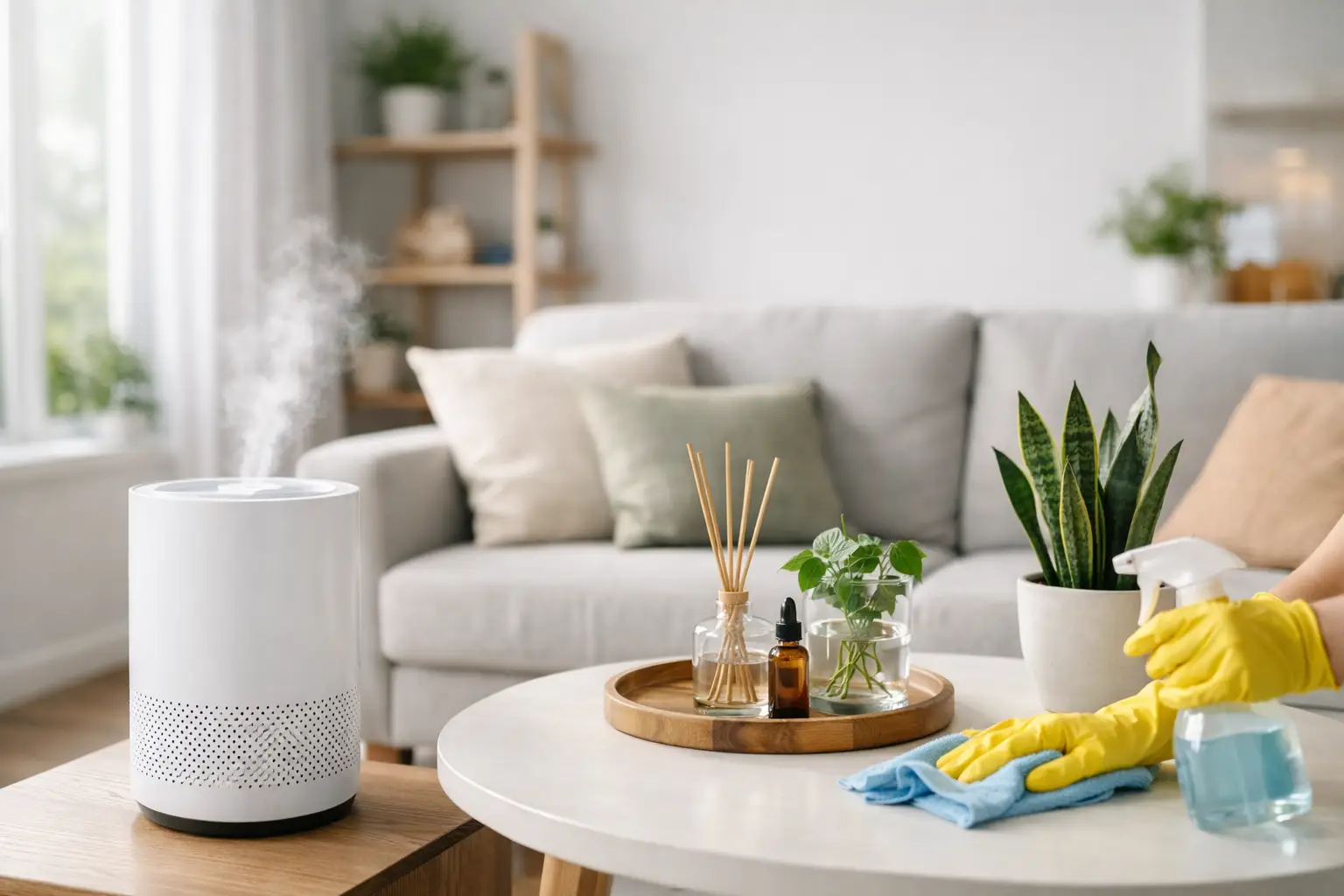
That "new paint" smell, the scent from a fresh sofa, or the lingering odor after a deep clean is not just a smell issue. For many households, it is the first sign that indoor air contains volatile organic compounds. If you are looking for how to reduce indoor VOCs, the best approach is usually not one big fix. It is a series of smart choices that lower pollution at the source, improve ventilation, and use the right air cleaning and monitoring tools.
VOCs can come from paints, adhesives, flooring, furniture, air fresheners, cleaning products, hobby supplies, fuel storage, and even some personal care products. In a tightly sealed home or office, those chemicals can build up faster than many people realize. For families dealing with allergies, asthma, headaches, odor complaints, or chemical sensitivities, that buildup can make a noticeable difference.
What VOCs are and why they build up indoors
Volatile organic compounds are chemicals that easily evaporate into the air at room temperature. Some VOCs have a strong odor, but others do not. That matters because you cannot rely on smell alone to tell whether your indoor air is improving.
Indoor concentrations are often higher than outdoor levels because modern homes and workplaces are built to hold conditioned air. That helps with energy efficiency, but it can also trap emissions from building materials, furnishings, and everyday household products. A room that looks clean can still have an air quality problem.
There is also a timing issue. VOCs often spike after renovation, new furniture delivery, painting, flooring installation, or heavy product use. Some materials off-gas heavily at first and then taper off. Others can release low levels for much longer. That is why quick fixes do not always solve the problem.
How to reduce indoor VOCs with source control first
If you want the fastest and most reliable improvement, start by removing or reducing the source. Air cleaning can help, but it works best when the source is not overwhelming the space.
Begin with the products you use most often. Cleaning sprays, fragranced products, aerosol deodorizers, solvents, and certain hobby materials are common contributors. Switching to low-VOC or no-added-fragrance options can reduce the daily chemical load in your home. The same goes for paints, stains, sealants, and adhesives when you are planning a project.
Storage matters too. Gas cans, paint cans, automotive products, and strong cleaners should not be kept in living areas, utility closets that share indoor air, or attached spaces without proper separation. Even closed containers can release fumes over time. Moving those items to a detached storage area, when possible, can make a real difference.
Soft goods and furnishings are another piece of the puzzle. New mattresses, rugs, cabinets, and composite wood furniture can release VOCs after delivery. If you are shopping with air quality in mind, look for lower-emission materials and ask practical questions before buying. What is it made from? Was it finished with strong coatings? Will it arrive sealed in plastic after sitting in a warehouse? Those details affect what ends up in your breathing space.
Ventilation helps, but it depends on conditions
Fresh air is one of the simplest ways to dilute indoor VOCs. Opening windows and using exhaust fans can lower concentrations, especially after painting, cleaning, or bringing new items indoors. Cross-ventilation, where air moves through the space rather than in and out of a single window, is usually more effective.
That said, ventilation is not always easy or ideal. In very hot, cold, humid, smoky, or high-pollen conditions, opening windows may create a different problem. For some households, outdoor air can trigger allergy symptoms or add moisture that supports mold growth. In those cases, timed ventilation, bathroom and kitchen exhaust use, or mechanical fresh-air strategies may be a better fit than leaving windows open for hours.
If you have recently renovated, the first few days and weeks matter most. Ventilate aggressively when conditions allow, and keep the space warmer only if the product manufacturer recommends it. Heat can increase off-gassing in some situations, so more heat is not automatically better. Follow product curing instructions and avoid occupying the area too soon.
Air purifiers can help reduce VOCs, but not every type
A common mistake is assuming any air purifier will solve a VOC problem. HEPA filtration is excellent for particles like dust, pollen, and some smoke components, but HEPA alone does not capture gases and vapors effectively. If your main concern is chemical odors, off-gassing, or fumes, the purifier needs gas-phase filtration.
That usually means activated carbon or another specialized adsorbent media designed to capture VOCs. The amount of media matters. A small carbon sheet may help with light odors, but heavier VOC loads often require a unit with substantial carbon capacity and enough airflow for the room size. This is where many buyers get frustrated. The purifier runs, but the chemical smell lingers because the unit was designed mostly for particles, not gases.
Some advanced air cleaning technologies are also used for VOC reduction, including systems designed to address airborne chemicals as well as biological contaminants. The right choice depends on the source, room size, occupancy, and whether the issue is occasional or ongoing. For buyers who want a practical starting point, matching the technology to the pollutant is more important than chasing marketing claims.
In homes with mixed concerns, a combined strategy often works best. A purifier with strong particulate filtration plus meaningful gas adsorption can address dust and allergens while also helping with VOCs and odors. In commercial settings, capacity, runtime, and maintenance schedules become even more important.
Monitor the air so you are not guessing
If VOCs are a recurring concern, an indoor air quality monitor can help you see patterns that are otherwise easy to miss. Many people notice symptoms at certain times of day but cannot identify the trigger. Monitoring can show whether levels rise after cooking, cleaning, using personal care products, opening a package, or occupying a conference room with new furniture.
Not all monitors measure VOCs the same way, and consumer units can vary in sensitivity and accuracy. Still, a good monitor can be useful for trend tracking. You do not need perfect lab-grade data to learn that one product causes a spike or that ventilation cuts levels in half.
This is especially useful after a remodel or when introducing new furnishings. Instead of wondering whether the smell is "normal," you can watch whether levels are dropping over days or staying elevated. That helps you decide whether to ventilate more, remove a source, or add better air cleaning.
The rooms that need the most attention
Kitchens, bathrooms, garages, home offices, nurseries, and newly renovated bedrooms often deserve the closest look. Kitchens generate gases and odors from cooking and cleaning. Bathrooms collect emissions from personal care products and cleaners in a smaller enclosed space. Attached garages can introduce gasoline and solvent vapors into adjacent rooms.
Home offices are easy to overlook. Printers, markers, furniture, flooring, and electronics can all contribute to indoor chemical load, especially in a room with the door closed for most of the day. Nurseries also deserve extra care because babies and young children spend long periods in one room and can be more sensitive to pollutants.
If one room smells stronger than the rest of the home, trust that clue and investigate it. The source may be localized even when the whole house feels affected.
Everyday habits that make a measurable difference
Small routine changes can keep VOC levels from climbing. Use exhaust fans when cooking or cleaning. Choose unscented or low-VOC products when replacements are needed instead of waiting for a major overhaul. Unbox new furniture or household items in a garage or covered outdoor area when practical, then let them air out before placing them in the room where you spend the most time.
It also helps to avoid layering sources. Painting a room, adding new furniture, installing a rug, and using heavy cleaners in the same week can create a bigger air quality problem than any one change by itself. Spacing those activities out gives your home a better chance to recover.
For households managing asthma, sensitivities, or persistent odor complaints, the most effective plan is usually a combination of source control, ventilation, and properly matched air purification. That problem-solution approach is what helps buyers make smarter decisions, whether they are equipping a bedroom, a whole home, or a workplace.
Cleaner indoor air rarely comes from one dramatic change. It comes from reducing what you bring in, clearing out what you do not need, and using proven tools where they count most.
Recent Posts
-
Airocide Air Purifier: Is It Worth It?
May 26, 2026 When a room smells clean but still leaves you with headaches, irritated sinuses, or t …23rd Oct 2026 -
Best Air Purifier for Wildfire Smoke
May 24, 2026 When wildfire smoke moves in, indoor air can turn harsh fast. If you are searc …23rd Oct 2026 -
Austin Air HealthMate Plus Review
May 22, 2026 A lingering smoke smell, recurring allergy symptoms, or that stale indoor air feeling …23rd Oct 2026