
Airocide Air Purifier: Is It Worth It?
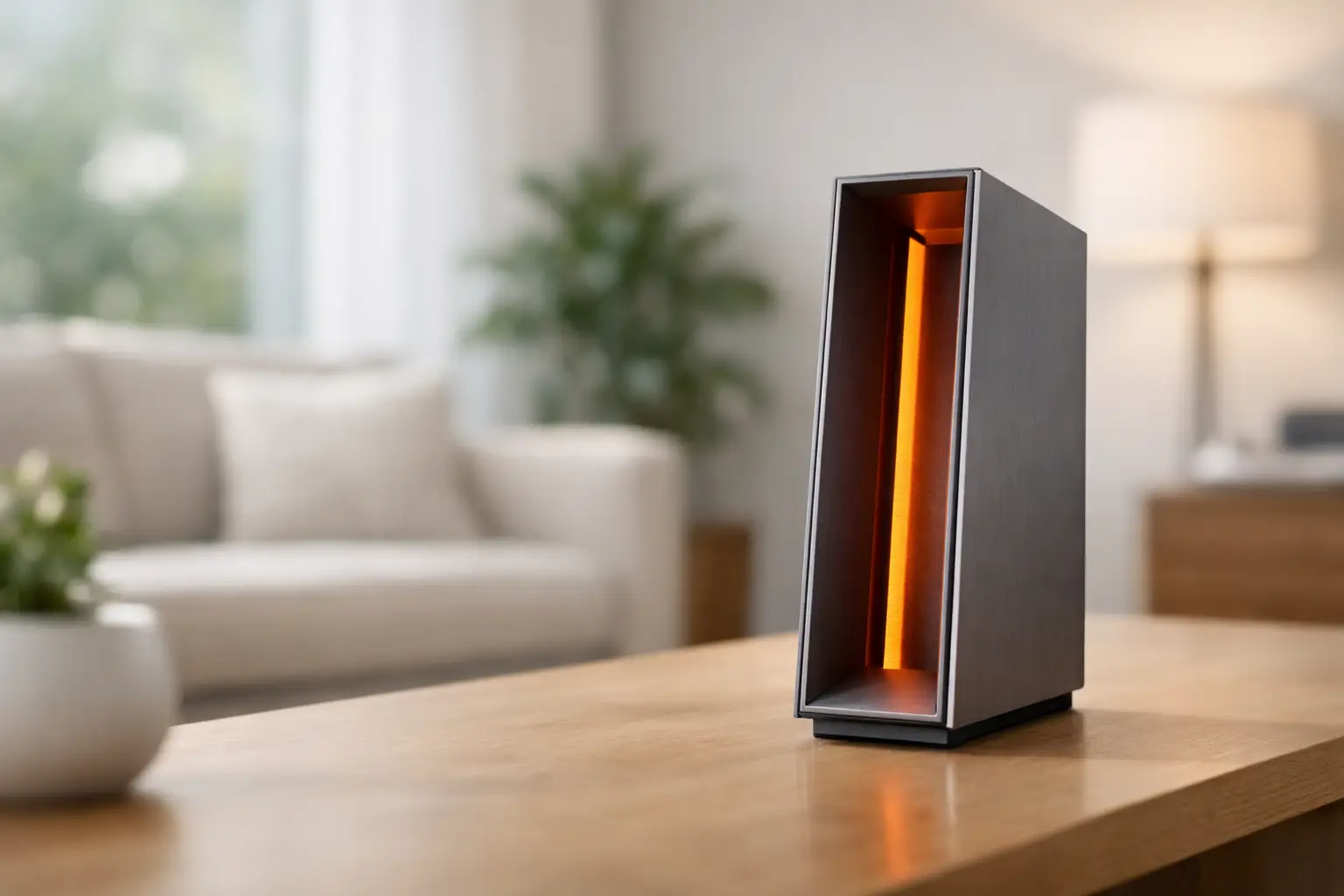
When a room smells clean but still leaves you with headaches, irritated sinuses, or that stale indoor feeling, basic filtration may not be solving the real problem. The Airocide air purifier stands out because it was designed to target airborne contaminants at the molecular level, not just trap larger particles that happen to pass through a filter.
That difference matters for buyers dealing with odors, VOCs, mold concerns, or shared indoor spaces where air quality affects comfort and health every day. If you are comparing air cleaners and wondering whether Airocide is the right fit, the key question is not whether it is a good machine in general. The better question is whether its technology matches the kind of air problem you are trying to solve.
What makes the Airocide air purifier different
Most shoppers start with HEPA because it is familiar. HEPA is excellent for capturing particles like dust, pollen, pet dander, and many airborne allergens. But not every indoor air problem is particle-based. Chemical fumes, cooking odors, off-gassing from furniture, and other volatile organic compounds do not behave like visible dust.
The Airocide air purifier uses a reaction chamber and photocatalytic technology to convert certain airborne contaminants into harmless byproducts. Instead of relying on a dense mechanical filter to collect everything, it is built to reduce airborne organic compounds and microorganisms as air passes through the unit.
For the right buyer, that is a meaningful advantage. If your main concern is smoke odor, chemical sensitivity, lingering kitchen smells, or VOCs from remodeling materials, Airocide may address what a standard particle-focused purifier leaves behind.
Where an Airocide air purifier fits best
Airocide tends to make the most sense in homes and workspaces where odor and gas-phase contamination are part of the problem. Bedrooms, nurseries, home offices, medical waiting areas, conference rooms, and treatment spaces are common examples. It is also worth a look for people who feel bothered by fragrances, cleaning products, or new materials that continue releasing fumes over time.
That said, no single air purifier is best for every situation. If your biggest issue is heavy dust, wildfire particulates, pet hair, or visible airborne debris, a HEPA unit may be the stronger first choice. In many real-world environments, the best answer is not Airocide instead of HEPA. It is deciding which problem needs the most attention first, or whether a combination approach makes more sense.
Good match for VOCs and odors
This is where Airocide earns the most attention. Buyers who are frustrated by smells that return quickly after cleaning often find that odor control requires more than a standard fan and filter. Off-gassing from paint, flooring, furniture, and household products can linger even when a room looks spotless.
Because Airocide is designed to address airborne organic pollutants, it is often considered by people with chemical sensitivities or by families trying to reduce everyday exposure in tighter indoor spaces.
Useful in shared indoor environments
Commercial buyers and office managers also look at Airocide because people notice indoor air quality fast when multiple occupants share the same air. Odors, stuffiness, and concerns about airborne contaminants can affect comfort, confidence, and productivity. In that setting, a quieter, low-maintenance purifier with a technology focus beyond dust collection can be appealing.
How it compares to HEPA air purifiers
This is where many shoppers get stuck, because the comparison is not as simple as one unit being better than the other.
A HEPA purifier is generally the stronger tool for particulate matter. If you need relief from pollen, dust, pet dander, and fine airborne particles, HEPA remains one of the most dependable standards in air cleaning. It is proven, straightforward, and easy to understand.
An Airocide air purifier is usually considered when the concern shifts toward VOCs, odors, and certain airborne biological contaminants. It is less about piling up trapped debris inside a thick filter and more about treating contaminants in the air stream.
For allergy buyers, this trade-off matters. If your symptoms are mostly driven by pollen and dust, HEPA may do more of the heavy lifting. If your discomfort is tied to chemical odors, renovation fumes, or indoor smells that linger without obvious dust, Airocide may be the better fit.
In some homes, the most practical answer is to pair technologies instead of expecting one machine to solve every air quality issue.
What to know before you buy
The strongest air purifier purchase decisions come from matching the product to the problem, the room, and your expectations.
Start with room size. Like any air cleaner, an Airocide unit has coverage limits. A purifier that is undersized for the room may still help, but performance will not be as noticeable. If you are treating a bedroom, office, or defined living area, sizing is easier. Open floor plans and commercial spaces require more planning.
Next, think about the source of contamination. If your concern is active smoke entry, persistent moisture, or a hidden mold source, an air purifier helps but does not replace source control. Air cleaning works best when combined with fixing the reason the problem exists.
Maintenance is another practical factor. Some buyers prefer systems that avoid frequent filter replacement and messy disposal. Others are comfortable with scheduled replacement if it means stronger particle capture. Airocide appeals to shoppers who want advanced treatment with relatively simple upkeep, but you should still confirm lamp or component replacement intervals and operating costs before deciding.
Noise also matters more than people expect. A purifier can have impressive performance on paper and still end up turned off if it disrupts sleep or concentration. Bedrooms, nurseries, and office environments benefit from units that can run consistently without becoming distracting.
Who should seriously consider an Airocide air purifier
If you notice indoor odors that seem baked into the air, not just the furniture or trash can, Airocide is worth a close look. The same goes for buyers dealing with new construction smells, recent remodeling, chemical sensitivity concerns, or a need for more confidence in a shared indoor environment.
It can also make sense for households that already own a particle-focused purifier and still feel that something is missing. That is a common situation. A room can test better visually and still not feel fresher if the issue is gas-phase pollutants rather than dust.
Commercial users may find the value even clearer. In offices, clinics, reception areas, and professional settings, the goal is often to improve the overall air environment without adding complicated maintenance. A solution that targets odors and airborne organic contaminants can be easier to justify when occupant comfort is part of the equation.
When another purifier may be the better choice
Airocide is not automatically the right pick for every buyer. If you are mainly trying to reduce pet dander, visible dust, seasonal allergens, or wildfire particles, a strong HEPA air cleaner may be the better primary solution. Those contaminants are often best handled by high-efficiency particle capture.
Budget can also influence the decision. Specialty air purification technologies appeal to buyers with specific concerns, but they should still be weighed against the actual problem in the room. Paying for advanced VOC and odor treatment may not be necessary if your main challenge is ordinary household dust.
That is why a concern-based approach works better than shopping by brand name alone. The right purifier is the one that addresses the air quality issue you actually have, not the one with the most impressive sounding technology.
A practical way to evaluate Airocide
If you are considering an Airocide air purifier, ask yourself three direct questions. Are odors or chemical fumes a major issue in the space. Are you trying to improve air quality in a bedroom, office, clinic, or other occupied room where comfort matters daily. And do you need a solution that goes beyond standard particle filtration.
If the answer is yes, Airocide deserves serious consideration. If not, a HEPA model or a different air cleaning strategy may deliver better value.
For many buyers, the smartest purchase comes from understanding that air purification is not one-size-fits-all. Airocide fills a specific role, and it can fill that role very well. When your problem is VOCs, odors, and airborne organic contaminants, choosing a purifier built for that job is often the step that finally makes the room feel better to live or work in.
Clean air decisions tend to get easier when you stop asking which purifier is best overall and start asking which one is best for your air.
Recent Posts
-
Airocide Air Purifier: Is It Worth It?
May 26, 2026 When a room smells clean but still leaves you with headaches, irritated sinuses, or t …23rd Oct 2026 -
Best Air Purifier for Wildfire Smoke
May 24, 2026 When wildfire smoke moves in, indoor air can turn harsh fast. If you are searc …23rd Oct 2026 -
Austin Air HealthMate Plus Review
May 22, 2026 A lingering smoke smell, recurring allergy symptoms, or that stale indoor air feeling …23rd Oct 2026