
Austin Air Purifier Review for Real Homes
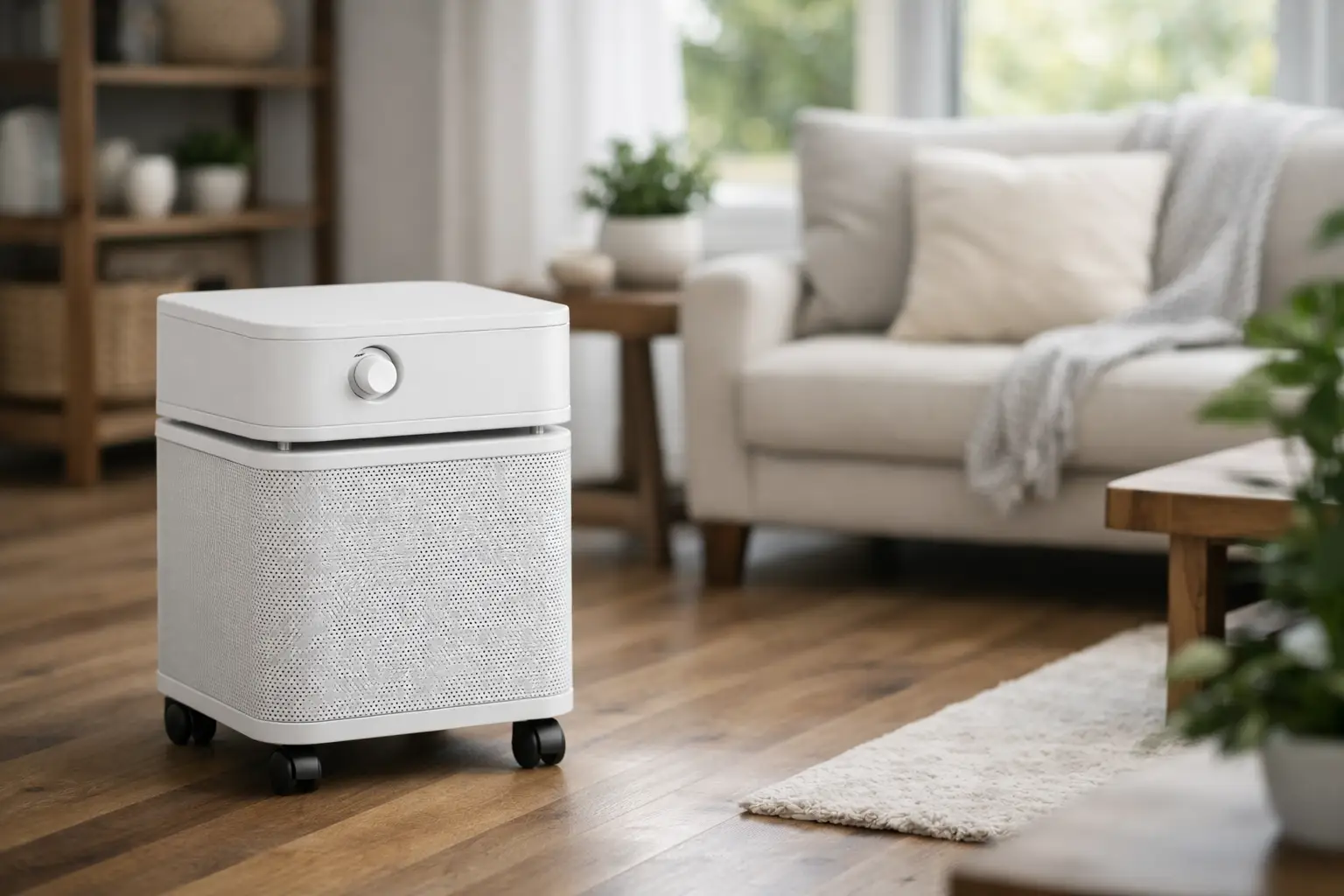
If you are reading an Austin Air purifier review, chances are you are not shopping for a decorative gadget. You are trying to solve a real air problem - allergies that flare up at night, lingering smoke, chemical odors after remodeling, or a room that never feels quite clean enough. That is exactly where Austin Air stands out. These machines are built with a health-first mindset, and for the right buyer, that matters more than smart features or sleek styling.
Austin Air has earned a loyal following because it focuses on serious filtration. The brand is especially well known among people dealing with asthma, allergies, wildfire smoke, pet dander, and VOC exposure. It is not the cheapest option on the market, and it is not the most modern-looking either. But if your priority is moving a lot of air through a substantial filter, Austin Air deserves a close look.
Austin Air purifier review: what makes it different?
Most consumer air purifiers compete on convenience. They emphasize app controls, auto modes, quiet sleep settings, and compact size. Austin Air takes a different route. Its units are large, steel-bodied machines designed around deep filtration capacity and long filter life.
That design choice has real implications. A larger filter bed gives the purifier more surface area and more media to work with, which can help when you are dealing with ongoing particle pollution or gases and odors. In practical terms, that means an Austin Air unit is often a better fit for someone who wants heavy-duty air cleaning than someone who simply wants a whisper-quiet bedroom accessory.
Many Austin Air models use a multi-stage approach with a pre-filter for larger particles, true HEPA filtration for fine particulates, and activated carbon plus zeolite for gases, chemicals, and odors. That combination is one of the brand's biggest selling points. HEPA handles airborne particles like pollen, dust, and pet dander well, while carbon and zeolite address the side of air quality that basic HEPA-only machines often miss.
Performance for allergies, smoke, and VOCs
For particle removal, Austin Air performs very well. If your main issue is dust, seasonal allergies, pet hair, or asthma triggers, the HEPA side of the system is a strong match. These units are designed to capture very small airborne particles, and that can make a noticeable difference in bedrooms, living rooms, offices, and other high-use spaces.
Smoke is a more nuanced category. For wildfire smoke or tobacco smoke, Austin Air is often a strong option because the purifier addresses both the particles and some of the odor components. That said, no room air purifier can fully solve a severe active smoke source by itself. If smoke is entering continuously from outdoors or from indoor use, performance depends on room size, air sealing, and how much polluted air keeps entering the space.
VOCs and chemical sensitivities are where Austin Air often gets more attention than mainstream brands. Paint fumes, cleaning product odors, off-gassing from new furniture, and general chemical smells can be stubborn. The carbon and zeolite media help here, especially compared with purifiers that include only a thin carbon sheet. Still, expectations should stay realistic. A purifier can reduce airborne contaminants, but source control and ventilation still matter if the chemical load is high.
Build quality and day-to-day use
Austin Air units feel more like appliances than consumer electronics. The steel construction gives them a durable, substantial feel, which many buyers appreciate, especially if they are tired of replacing lightweight plastic units every few years. They are built to work, not to disappear into the background as a design feature.
That practical build comes with trade-offs. These machines are heavier than many competitors, and they are not especially easy to move up and down stairs. They also take up more floor space. If you live in a small apartment or want something that tucks neatly into a corner, size may be a real consideration.
Operation is straightforward. Most models use simple manual controls rather than digital displays and app-driven settings. For some buyers, that is a plus. There is less to learn, fewer electronics to fail, and a more dependable feel overall. For others, it can seem dated. If you want air quality sensors, smartphone alerts, and automation, Austin Air may feel basic.
Noise is another area where preferences matter. On lower speeds, many people find the sound acceptable for everyday use. On higher speeds, the airflow is more obvious. That stronger sound is not necessarily a flaw - it reflects real air movement - but it may not suit every bedroom sleeper or office environment. Buyers choosing for a nursery or very quiet workspace should think carefully about where the unit will run and at what speed.
Filter life and maintenance costs
One reason buyers stay loyal to Austin Air is filter longevity. Compared with many purifiers that require frequent filter changes, Austin Air filters are designed for longer service intervals under normal conditions. That can be appealing if you want less maintenance and fewer recurring replacement purchases.
The flip side is that replacement filters are a meaningful expense when the time comes. Instead of buying smaller filters more often, you are paying for a larger, more substantial filter assembly less frequently. Over time, the value can be good, especially if the purifier is used heavily and consistently. But buyers should still factor total cost of ownership into the purchase decision rather than focusing only on the upfront unit price.
Maintenance is otherwise simple. Keeping the outside pre-filter clean helps preserve airflow and overall performance. Like any purifier, Austin Air works best when filters are replaced on schedule and the machine is used in a space that matches its capacity.
Who should consider Austin Air?
Austin Air makes the most sense for buyers with a specific air quality concern rather than casual interest. If you are managing allergies, asthma, pet-related particles, smoke, or chemical odors, the brand's filtration approach is easier to justify. It is also a strong candidate for people who want a proven, no-nonsense unit and do not care much about connected features.
Families often like Austin Air because it feels purpose-built for health protection. Office buyers may also find value in it, especially in rooms where dependable filtration matters more than appearance. If you are placing a unit in a waiting area, treatment room, home office, or bedroom with ongoing air quality concerns, a heavier-duty purifier can be a smart investment.
On the other hand, Austin Air may not be the best fit for every situation. If your budget is tight, if you want the quietest possible machine, or if your main goal is occasional light dust control in a small room, there are less expensive and more compact alternatives that may be easier to live with. A purifier should fit both the problem and the room, not just the brand reputation.
Austin Air purifier review: the main trade-offs
The strongest part of an Austin Air purifier review is usually the same: serious filtration with a reputation for handling real indoor air concerns. The biggest compromises are also consistent: higher upfront cost, larger footprint, heavier construction, and fewer convenience features.
That balance is important. A lot of buyers end up disappointed with air purifiers because they buy for aesthetics or marketing claims instead of matching the machine to the problem. Austin Air tends to appeal to people who would rather have strong filtration than a polished control panel. If that sounds like you, the trade-offs may feel entirely reasonable.
If your needs are more general, the value equation changes. You may not need a steel-bodied purifier with deep carbon media to handle occasional dust. In that case, paying for Austin Air could be more than necessary.
Final buying perspective
Austin Air is not trying to be trendy. It is trying to clean air in a serious, consistent way, and that is why many buyers continue to trust it. For homes and workspaces dealing with allergies, asthma triggers, smoke, odors, or VOC concerns, it remains one of the more credible options in the category.
The smartest way to judge it is simple: start with the problem you need to solve. If you need substantial filtration and you are comfortable with a larger, more utilitarian machine, Austin Air is easy to take seriously. If you want a lighter-duty purifier with more convenience features, another option may suit you better. A.M.I. Services focuses on that exact kind of buyer fit, because the best air purifier is the one that matches the air problem you are actually living with every day.
Recent Posts
-
How to Test for Radon at Home
May 10, 2026 A radon problem rarely gives you a warning sign. No smell, no irritation, no visible …14th Oct 2026 -
Austin Air Purifier Review for Real Homes
May 8, 2026 If you are reading an Austin Air purifier review, chances are you are not shopping for …14th Oct 2026 -
Best Radon Detector for Home Buyers
May 6, 2026 A radon problem rarely comes with a warning sign. No smell, no visible residue, no obv …14th Oct 2026