
Are Radon Test Kits Accurate?
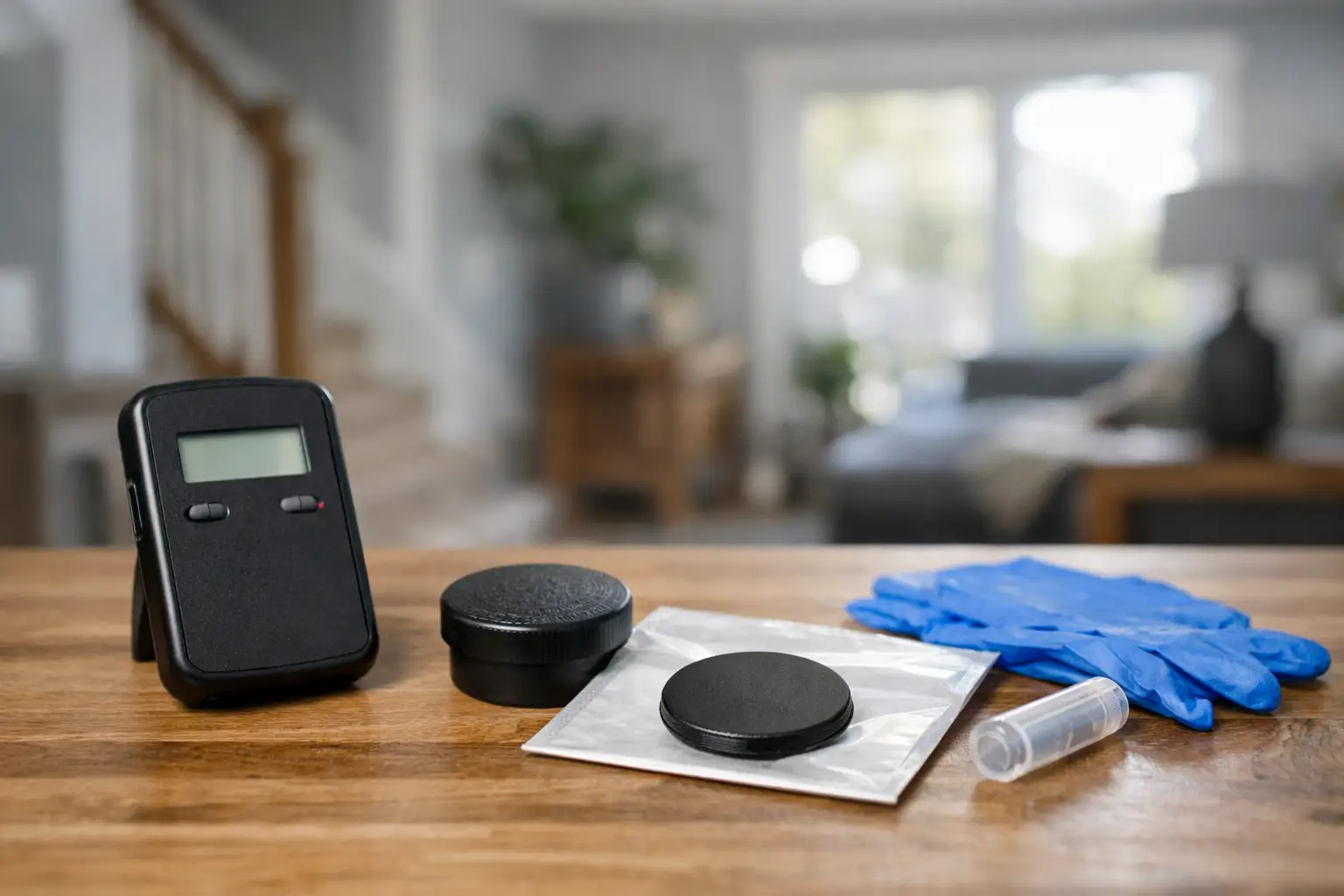
A radon result that looks low can feel reassuring - until you start wondering whether the kit itself was reliable. That is usually the real question behind are radon test kits accurate: not whether radon can be measured, but whether a simple home test can give you a result you should trust when your family's health is on the line.
Are radon test kits accurate enough for home use?
Yes, radon test kits can be accurate enough for home use when they are used correctly and processed by a qualified lab. In many homes, a properly handled test kit gives homeowners the information they need to decide whether further testing or mitigation makes sense.
The catch is that accuracy depends on more than the kit itself. Radon levels naturally rise and fall from day to day. Placement matters. Closed-house conditions matter. The difference between a short-term screening test and a long-term exposure picture matters. So the better question is not just whether the kit is accurate, but whether it is the right type of test for your situation.
For most homeowners, a test kit is a practical first step because it is affordable, accessible, and easy to use. That makes it especially valuable for screening a home that has never been tested, checking a lower level after a move, or following up after changes like a new HVAC system, foundation work, or finishing a basement.
What affects whether radon test kits are accurate?
Several factors determine whether your result reflects the air you are actually breathing.
The type of test you choose
Short-term radon test kits are commonly used for quick screening. These tests often remain in place from 2 to 7 days, depending on the product. They are useful when you need a prompt answer, such as during a real estate transaction or when you want to know whether a home may have a radon problem.
Long-term radon tests stay in place for 90 days to a year. These are generally better for understanding average exposure because they smooth out daily and seasonal swings. If your short-term result is borderline or you want a more complete picture before making a major decision, long-term testing is often the smarter choice.
Neither format is automatically better in every case. A short-term kit is convenient and often accurate for screening, but a long-term kit is usually more representative of what happens in real life over time.
Placement inside the home
A good radon kit in the wrong location can produce a misleading result. Radon should be tested in the lowest livable area of the home. That might be a basement if it is used regularly, or the first floor if the basement is unfinished and unoccupied.
The kit should be placed away from drafts, exterior doors, direct sunlight, high humidity, and kitchens or bathrooms unless the instructions say otherwise. Setting a kit next to a window, fan, or air return can affect the sample. In other words, accuracy is tied closely to following the placement instructions rather than guessing where it should go.
Timing and home conditions
Radon levels change with weather, ventilation, and season. A test run during a stormy week or during unusual home ventilation habits may not reflect your normal conditions. That does not mean the test is wrong. It means radon itself is variable.
For short-term testing, closed-house conditions are usually required. Windows should stay shut except for normal entry and exit, and whole-house fans should not be used. If those conditions are not maintained, the result may be less useful.
Lab analysis and expiration dates
Many radon kits rely on lab processing after exposure. That means the lab's quality controls matter, and so does mailing the kit promptly. An expired kit or one that sits too long before being sent in may not give a dependable result.
This is one reason buyers tend to do better with recognized radon testing products rather than generic bargain options with unclear handling instructions.
How accurate are radon test kits compared with electronic monitors?
This is where buyer expectations matter. A mail-in test kit is not the same thing as a continuous electronic radon monitor, but that does not make it inferior in every situation.
A standard test kit is designed to measure exposure over a defined period and then provide a lab-analyzed result. It is usually cost-effective and simple. An electronic monitor provides ongoing readings and can show fluctuations hour by hour or day by day. That added visibility is useful if you want to track trends, verify mitigation performance, or monitor a property continuously.
If you are asking whether a one-time kit can accurately tell you if radon may be elevated, the answer is often yes. If you are asking whether it can show changing radon patterns across weeks and seasons, an electronic monitor is the better fit.
For some households, the best approach is to use both. A test kit can confirm whether there is a concern, and a continuous monitor can help you keep watch over time.
When a radon test result is trustworthy
A radon result is most trustworthy when the kit was placed correctly, used for the full recommended period, kept under the required home conditions, and submitted promptly for analysis. If those boxes are checked, the result is generally useful for decision-making.
If your result is clearly low, that is reassuring, but periodic retesting is still smart, especially after renovations, foundation cracks, changes in ventilation, or moving into a different level of the home. If your result is clearly elevated, the answer is not to debate the test endlessly. The next step is usually confirmation and then mitigation if needed.
The gray area is a borderline result. In that case, accuracy is less about whether the kit worked and more about whether one test captured enough of the home's normal radon pattern. That is where a second test, a long-term test, or a continuous monitor makes sense.
Are radon test kits accurate if you have a basement?
Yes, but basements are one reason testing instructions matter so much. Radon enters from the soil, so lower levels of a home often show higher concentrations. If your basement is occupied, used as a family room, home office, bedroom, or workout space, it should usually be tested as a lived-in area.
If your basement is unfinished and rarely used, you may still want to test there as part of evaluating the home's radon entry point, but the level that matters most for health decisions is the lowest level you actually use regularly. Families sometimes miss this distinction and either test too high in the home or ignore a finished basement where people spend hours every week.
When to choose a professional test instead
Home kits are practical for many situations, but there are times when stepping up to professional testing is worth it. If you are dealing with a real estate transaction, need documentation, have repeated inconsistent results, or want highly controlled testing conditions, a professional may be the better option.
The same applies if your household includes people with elevated health concerns and you want stronger peace of mind. A professional test does not eliminate radon variability, but it can reduce user error and give you clearer guidance.
That said, many homeowners delay testing because they assume only professional equipment counts. That delay is often the bigger problem. A good home radon kit used correctly is far better than no radon test at all.
How to get the most accurate result from a home radon kit
If you want a result you can act on confidently, focus on process. Choose a kit from a recognized source, check the expiration date, read the instructions before opening it, and place it exactly where the manufacturer recommends. Keep the home under the required conditions for the full test period, and send the kit to the lab right away.
If the result comes back elevated, do not panic, but do take it seriously. Follow-up testing helps confirm the level, and if high radon is confirmed, mitigation is the proven path forward. If the result is low but you still feel uncertain, especially in a high-radon area or after home changes, ongoing monitoring may be the better long-term solution.
At A.M.I. Services, that is how we look at radon products in general: not as gadgets, but as practical tools that help people make healthier, better-informed decisions about the spaces where they live and work.
The real value of a radon test kit is not that it promises perfect certainty. It is that a good kit, used the right way, can move you from guessing to knowing what to do next.
Recent Posts
-
Airocide Air Purifier: Is It Worth It?
May 26, 2026 When a room smells clean but still leaves you with headaches, irritated sinuses, or t …23rd Oct 2026 -
Best Air Purifier for Wildfire Smoke
May 24, 2026 When wildfire smoke moves in, indoor air can turn harsh fast. If you are searc …23rd Oct 2026 -
Austin Air HealthMate Plus Review
May 22, 2026 A lingering smoke smell, recurring allergy symptoms, or that stale indoor air feeling …23rd Oct 2026