
Do Electronic Descalers Really Work?
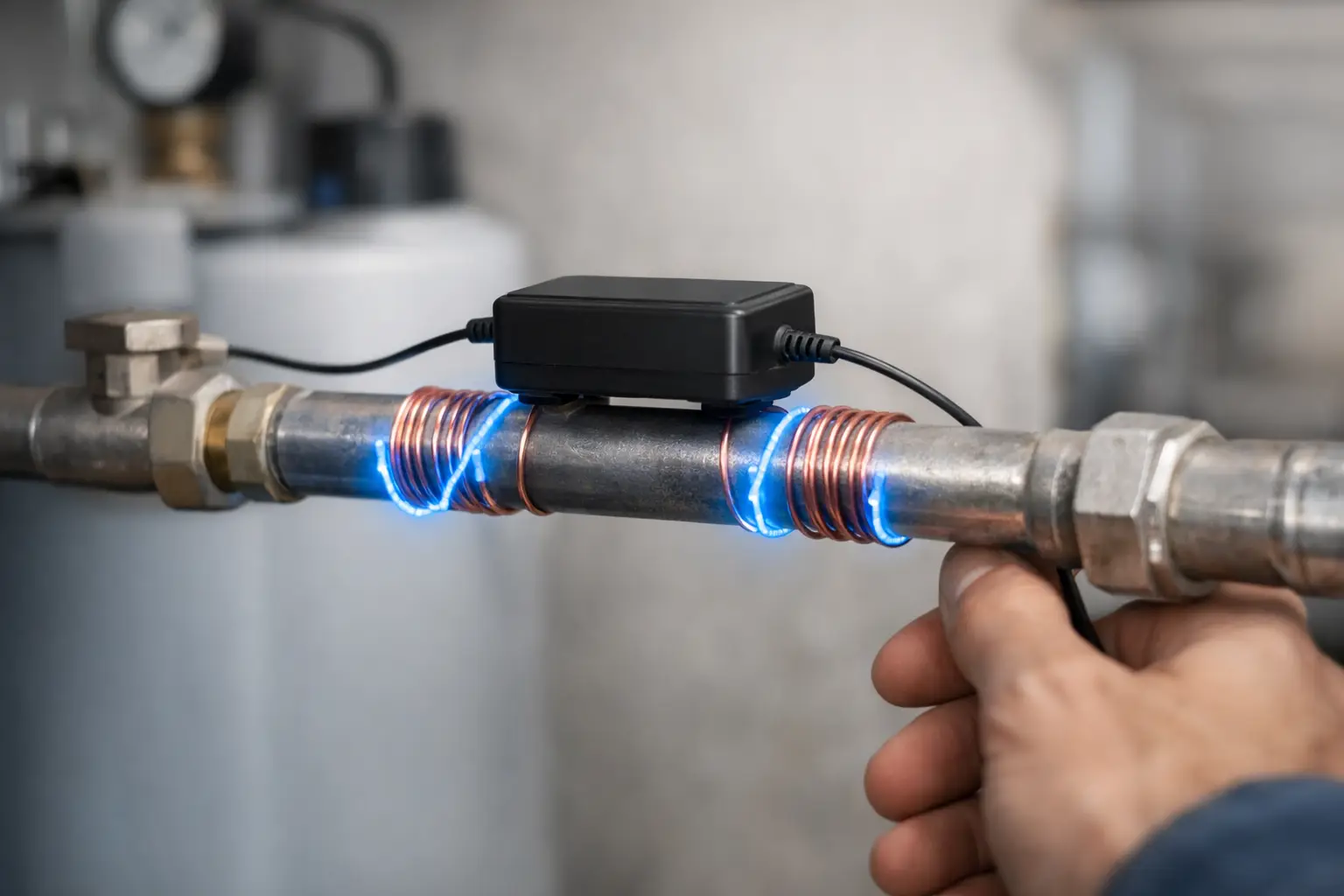
If you are staring at white crust on faucets, spotting on shower glass, or scale buildup inside appliances, the question usually comes fast: do electronic descalers really work, or are they just another gadget that sounds better than it performs? The short answer is yes, they can work - but only if you understand what they are designed to do, what they do not do, and whether your water problem matches the technology.
Hard water causes real frustration in daily life. It leaves deposits on fixtures, shortens the life of water heaters, reduces efficiency in pipes and appliances, and makes cleaning feel like a constant chore. For many homeowners, the appeal of an electronic descaler is obvious. It promises scale control without salt, without chemical additives, and without the maintenance routine that comes with a traditional ion-exchange water softener.
Do electronic descalers really work for hard water?
Electronic descalers are not water softeners in the traditional sense. They do not remove calcium and magnesium from the water. Instead, they use an electronic signal applied through coils wrapped around the pipe. That signal is intended to change how hardness minerals behave so they are less likely to stick to pipe walls, heating elements, and plumbing fixtures as hard scale.
That distinction matters. If you expect silky soft water, lower soap use, or complete removal of hard water minerals, an electronic descaler will probably disappoint you. If your main goal is reducing scale buildup in plumbing systems and appliances, the technology can be a very practical solution.
In other words, the answer to do electronic descalers really work depends on what you mean by work. They can be effective as scale prevention and scale reduction devices. They are not a full replacement for every benefit of a salt-based softener.
What an electronic descaler actually does
When hard water flows through a pipe treated by an electronic descaler, the system sends a varying electromagnetic signal through the water line. The goal is to influence mineral crystallization so hardness minerals stay suspended in the water longer rather than bonding tightly to surfaces.
In plain terms, the device tries to make scale less sticky.
That can lead to less buildup inside water heaters, dishwashers, coffee equipment, tankless units, and supply lines. In some cases, older scale can gradually loosen over time. Many users notice improved performance in appliances and less stubborn mineral residue on fixtures. That said, you may still see water spots because the minerals are still present.
This is where expectations need to stay grounded. A treated hard water supply can behave better, but it is not the same as softened water.
Where results tend to be strongest
Electronic descalers usually make the most sense when scale is the primary problem. They are often a good fit for homes with moderate to fairly high hardness where the owner wants to protect plumbing and appliances but does not want the cost, space requirements, discharge, or ongoing salt use of a conventional softener.
They can also be a smart option for people on well water or municipal water who are mainly concerned about heater efficiency, maintenance reduction, and extending equipment life. For commercial settings, they may be useful where protecting water-using equipment matters more than changing the feel of the water.
Where they may fall short
If your household hates the feel of hard water on skin, wants better soap lather, or wants to reduce mineral content for laundry performance, an electronic descaler is not likely to check every box. Since minerals remain in the water, you should not expect the same bathing and washing experience as true soft water.
They are also not a fix for every water quality issue. If you have iron, manganese, sulfur odor, sediment, bacteria, or pH problems, those need separate treatment. A descaler addresses scale behavior, not total water purification.
Why some people say they work - and others say they do not
A lot of disagreement comes from mismatched expectations.
Someone expecting a softener replacement may call the product ineffective because the water still tests hard. Someone trying to reduce crusty buildup in a water heater may call the same product a success because maintenance drops and equipment performs better.
Installation conditions matter too. Pipe material, flow rate, hardness level, existing scale thickness, and proper unit sizing can all affect performance. If the device is installed incorrectly or used in a situation it was not designed for, results can be underwhelming.
The water source also matters. Very severe hardness or complex water chemistry can require a more comprehensive treatment plan. In those cases, an electronic descaler may help, but not enough to be the only solution.
Electronic descaler vs. water softener
This is where buyers usually need the clearest guidance.
A salt-based water softener removes hardness minerals through ion exchange. That gives you true soft water. It can improve soap performance, reduce spotting, and change how water feels on skin and hair. The trade-offs are higher maintenance, salt refills, regeneration cycles, added plumbing requirements, and ongoing operating costs.
An electronic descaler does not remove minerals. It is easier to install, usually requires very little maintenance, and does not add salt or chemicals to the water. It is often the more practical choice for people focused on scale control and system protection rather than full softening.
If your biggest complaint is mineral buildup damaging equipment, an electronic descaler may be exactly the right tool. If your goal is fully softened water throughout the home, it is better to view electronic descaling as an alternative approach with a narrower mission.
Signs an electronic descaler may be a good fit
If you are evaluating options for your home or small business, a few signs point toward a good match.
You may be a strong candidate if scale on fixtures, heating elements, and appliances is your main concern, you want a low-maintenance solution, you prefer to avoid salt, or you do not have space for a traditional softener setup. These systems are also appealing for buyers who want straightforward installation with minimal disruption.
Brands such as Scalewatcher have built a following because they address that exact use case - helping reduce scaling problems without turning the system into a full softening installation.
How to get better results from an electronic descaler
Product quality and installation matter more than many buyers realize. A well-made unit with a proven track record is worth paying attention to, especially in a category where cheap lookalikes can create confusion.
Start by matching the unit to the pipe size and application. Follow the manufacturer instructions closely, especially around coil placement and power supply. If your plumbing system already has heavy scale buildup, give the device time. Results are often gradual, not overnight.
It also helps to judge success by the right metrics. Look for less new scale accumulation, easier cleaning, better heater performance, and reduced maintenance on appliances. Do not judge the unit only by whether hardness minerals still appear on a water test.
A realistic timeline
Some homeowners expect instant visual change, but electronic descaling is usually more of a process than a quick switch. New scale may form less aggressively first. Existing deposits may begin to loosen later. In homes with long-term buildup, noticeable improvement can take weeks or even a few months.
Patience matters, especially when scale has had years to build up inside pipes and equipment.
The bottom line on whether electronic descalers really work
Yes, electronic descalers can really work when used for the job they are meant to do: reducing the effects of hard water scale and helping protect plumbing and appliances. They are most successful when the buyer wants scale control, low maintenance, and a salt-free approach.
No, they are not magic. They do not remove hardness minerals, and they do not deliver every benefit of a conventional water softener. If you go in expecting true soft water, you are likely to be frustrated. If you choose one to reduce buildup and improve system efficiency, the technology can be a very sensible investment.
The best water treatment choice is the one that fits your actual problem. If scale is the issue, a well-chosen electronic descaler can be a clean, practical answer - and that can make daily cleaning easier, appliances last longer, and your water system less of a headache over time.
Recent Posts
-
Airocide Air Purifier: Is It Worth It?
May 26, 2026 When a room smells clean but still leaves you with headaches, irritated sinuses, or t …23rd Oct 2026 -
Best Air Purifier for Wildfire Smoke
May 24, 2026 When wildfire smoke moves in, indoor air can turn harsh fast. If you are searc …23rd Oct 2026 -
Austin Air HealthMate Plus Review
May 22, 2026 A lingering smoke smell, recurring allergy symptoms, or that stale indoor air feeling …23rd Oct 2026