
Best Air Purifier for Asthma Symptoms
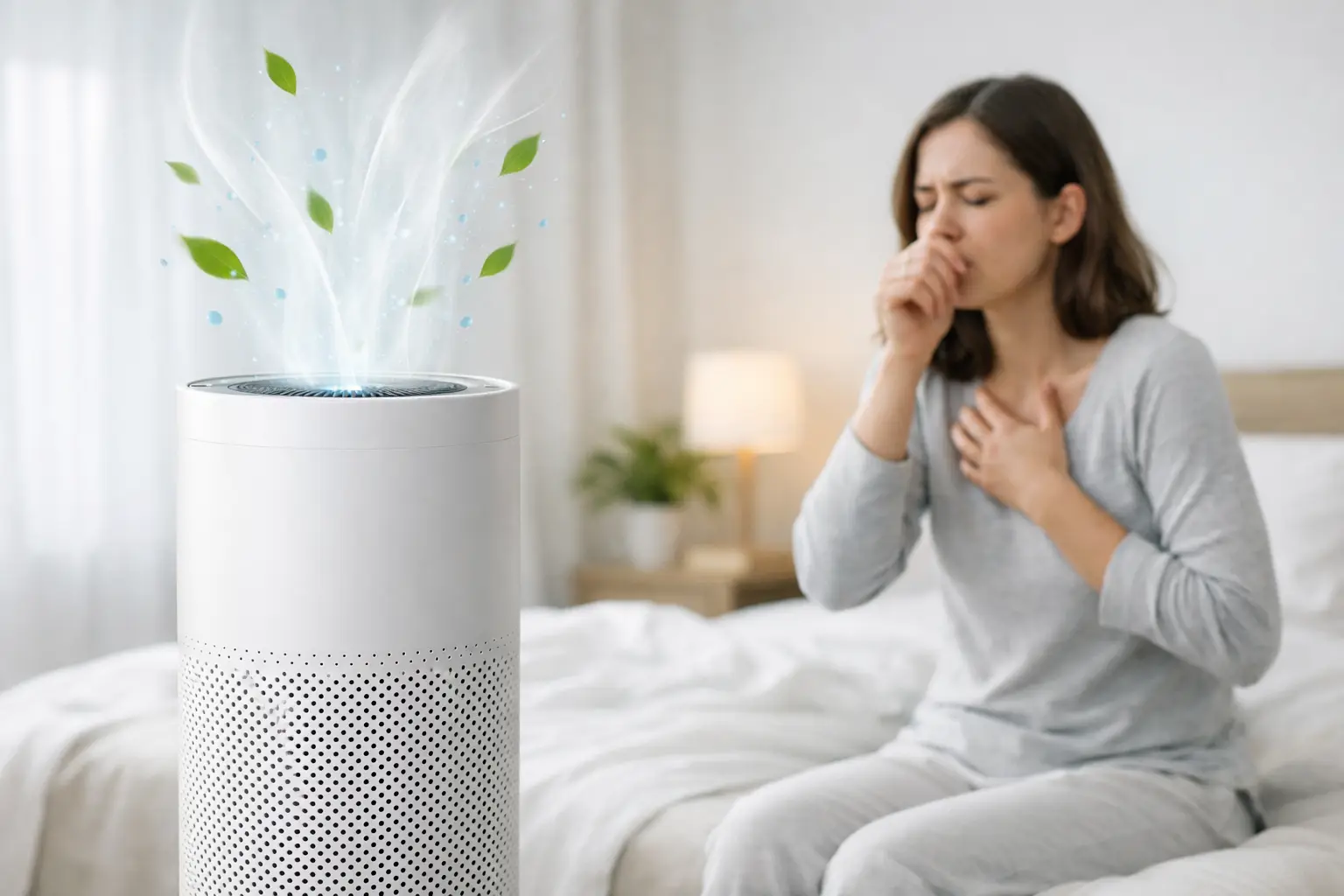
A wheezing flare-up at home often starts long before you feel it. Dust disturbed by bedding, pet dander settling into carpet, cooking particles hanging in the air, or smoke drifting in from outdoors can all add to the load your lungs are already handling. That is why choosing the right air purifier for asthma symptoms is less about buying a popular machine and more about removing the irritants most likely to trigger breathing problems in your space.
For many households, an air purifier is not a cure and it is not a substitute for medical care. What it can do is reduce airborne particles and certain pollutants so your home puts less stress on sensitive airways. If you or someone in your family deals with asthma, that practical difference matters most at night, during allergy season, after cleaning, or anytime indoor air feels stale or irritating.
What an air purifier can do for asthma symptoms
Asthma symptoms are often triggered by particles and irritants suspended in indoor air. Common examples include dust, pollen, pet dander, mold spores, smoke, and fine particulate matter from cooking or outdoor pollution. A properly sized air purifier with the right filtration can capture many of these triggers before they circulate repeatedly through the room.
That said, results depend on the trigger. If your asthma is mainly set off by airborne allergens and particles, a high-quality purifier can be very helpful. If your issue is strong chemical sensitivity, odors, or volatile organic compounds, particle filtration alone may not be enough and you may need a unit with substantial gas and odor control as well.
This is where many buyers get frustrated. They assume any air cleaner will help asthma, when in reality some models are built mainly for larger visible dust, some focus on odor reduction, and others are designed for broad-spectrum removal that includes fine particles. Matching the purifier to the problem is what makes the purchase worthwhile.
The best air purifier for asthma symptoms starts with filtration
The most important feature for asthma-focused buying is true mechanical filtration for airborne particles. In most homes, that means looking first at HEPA or medical-grade HEPA-style filtration from a reputable manufacturer. These filters are designed to capture very small particles that can irritate the lungs, including pollen, dust, pet dander, and smoke-related particulates.
If smoke, wildfire conditions, or heavy urban pollution are part of the picture, fine particle removal becomes even more important. A unit may look powerful on the outside, but if it lacks serious particle filtration and enough airflow, it may not deliver meaningful relief.
For households also dealing with odors, cleaning fumes, or VOCs from paint, furniture, flooring, or renovation materials, activated carbon or another dedicated gas-phase media becomes important. HEPA handles particles. Carbon handles many gases and odors. Asthma triggers are not always just one thing, so a combination system is often the better fit.
Some buyers ask about ozone-generating products or technologies marketed as air "freshening." For asthma households, caution is smart. Devices that intentionally produce ozone can aggravate respiratory symptoms rather than reduce them. When breathing comfort is the goal, proven filtration and low-emission operation are the safer path.
How to choose an air purifier for asthma symptoms in your room size
Even an excellent filter will disappoint if the unit is too small for the space. Room coverage matters because the purifier needs to move enough air, often enough, to lower particle levels in a realistic way. A bedroom purifier for a 150-square-foot room is very different from a machine expected to handle an open living area.
Start with the room where asthma symptoms are most disruptive. For many people, that is the bedroom, because eight hours of exposure during sleep can make morning congestion and overnight coughing worse. If the budget allows only one unit, put the strongest focus there first.
Look beyond broad marketing claims and pay attention to airflow and recommended coverage at usable fan speeds. A purifier that only reaches its claimed room size on a very loud setting may not be practical for a nursery, bedroom, or office. In real homes, the best unit is one you can run consistently.
A little oversizing is often a good idea. A purifier rated comfortably above your room size can run at a lower, quieter speed while still cleaning the air effectively. That usually leads to better daily use and better long-term results.
Features that matter most for asthma households
A good air purifier for asthma symptoms should be reliable, easy to maintain, and straightforward to operate. Fancy controls are less important than consistent performance.
Quiet operation matters more than many shoppers expect. If a machine is too noisy for sleep or conversation, people turn it down or off. That defeats the purpose. Look for models known for solid airflow at tolerable sound levels.
Filter replacement is another major factor. High-performance purifiers only work when filters are changed on schedule. Before buying, check how often replacement filters are needed and what they cost over a year or two. A strong machine with impossible maintenance costs can become an expensive box in the corner.
Build quality also matters. Asthma buyers are usually better served by established specialty brands with proven filter designs than by low-cost units with vague performance claims. This is one category where dependable construction, sealed filtration, and honest room sizing are worth paying for.
If you like measurable feedback, an air quality monitor can help confirm what is happening in the room. It will not diagnose asthma, but it can show whether particle levels spike during cooking, cleaning, vacuuming, or outdoor smoke events. That kind of visibility can help you run your purifier more strategically.
When HEPA is enough and when you need more
For dust, pollen, dander, and many mold-spore concerns, a quality HEPA-based purifier is often the right first move. It addresses the most common airborne asthma triggers in homes and apartments. Many families notice the biggest difference during sleep, after changing sheets, or when pets share indoor space.
But there are cases where HEPA alone may fall short. If someone reacts strongly to wildfire smoke, tobacco residue, traffic pollution, or household chemicals, adding meaningful carbon capacity can make the purifier much more useful. Small carbon inserts may help with light odor, but they usually do not perform like units designed with serious gas and chemical adsorption in mind.
If mold is suspected, an air purifier can help capture airborne spores, but it will not solve moisture problems or remove mold growing behind walls or under flooring. The same principle applies to dust mites. Purification can reduce airborne particles, but bedding care, vacuuming, humidity control, and source reduction still matter.
Common mistakes when buying an air purifier for asthma symptoms
The biggest mistake is buying by price alone. Low-cost models often lack the airflow, filter depth, or sealing needed to make a real difference. Another common issue is choosing for a whole house when the immediate need is one room where symptoms are worst.
People also underestimate maintenance. Running a purifier with a clogged or overdue filter reduces performance and can leave buyers thinking the technology does not work. The machine may be fine. The filter may simply be spent.
Placement is another overlooked detail. Do not hide the unit behind furniture or push it tightly into a corner if the intake and output need open space. Good air circulation improves results. Keep doors and windows in mind too. An air purifier can help clean indoor air, but it has to work harder if fresh pollutants are constantly entering the room.
A practical buying approach that works
If you are shopping for yourself, a child, or another family member with asthma, keep the decision simple. First, identify the most likely triggers in the home. Second, choose a purifier with proven particle filtration and enough coverage for the actual room. Third, add strong carbon filtration if smoke, chemicals, or odors are part of the problem.
For many buyers, the smartest path is to start with one well-chosen unit in the bedroom and judge the difference over a few weeks. If that room feels better and symptoms are less disruptive, you can decide whether to expand to the living room, office, or other shared areas. That staged approach is often more effective than spreading a limited budget across several underpowered machines.
At A.M.I. Services, the strongest products tend to be the ones that solve a specific concern clearly rather than promising to fix everything. That is the right mindset for asthma-focused shopping too. Cleaner air is most realistic when the purifier matches the trigger, the room, and the way you actually live.
If your home air leaves you coughing, congested, or uncomfortable, the right purifier can be a practical step toward a room that feels easier to breathe in day after day.
Recent Posts
-
Best Air Purifier for Pet Dander
Best Air Purifier for Pet Dander April 29, 2026 That layer of fuzz on the baseboards is annoying. …13th Oct 2026 -
Best Air Purifier for VOCs: What Works
April 28, 2026 Fresh paint smell, new furniture odor, cleaning product fumes - many people assume …13th Oct 2026 -
Best Air Purifier for Chemical Sensitivity
April 27, 2026 When someone in the home reacts to paint fumes, cleaning products, scented laundry, …13th Oct 2026